ЧТО ВЫ ИЩЕТЕ?
В ходе работы системы фильтрации воздухаВзаимосвязь между сопротивлением воздушного фильтра и энергопотреблением является ключевым вопросом для многих компаний при контроле эксплуатационных и ремонтных расходов. Каждое увеличение сопротивления воздушного фильтра на 100 Па значительно увеличивает энергопотребление вентилятора системы вентиляции.
Почему высокое сопротивление воздушных фильтров приводит к высокому энергопотреблению?
Основой системы вентиляции является вентилятор, функция которого заключается в преодолении сопротивления всей системы и перемещении воздуха внутрь и наружу.
По мере увеличения времени использования на воздушном фильтре накапливается все больше пыли и примесей, что приводит к постоянному увеличению сопротивления. В результате вентилятору требуется выдавать больше мощности для преодоления этого сопротивления, что приводит к резкому увеличению энергопотребления.
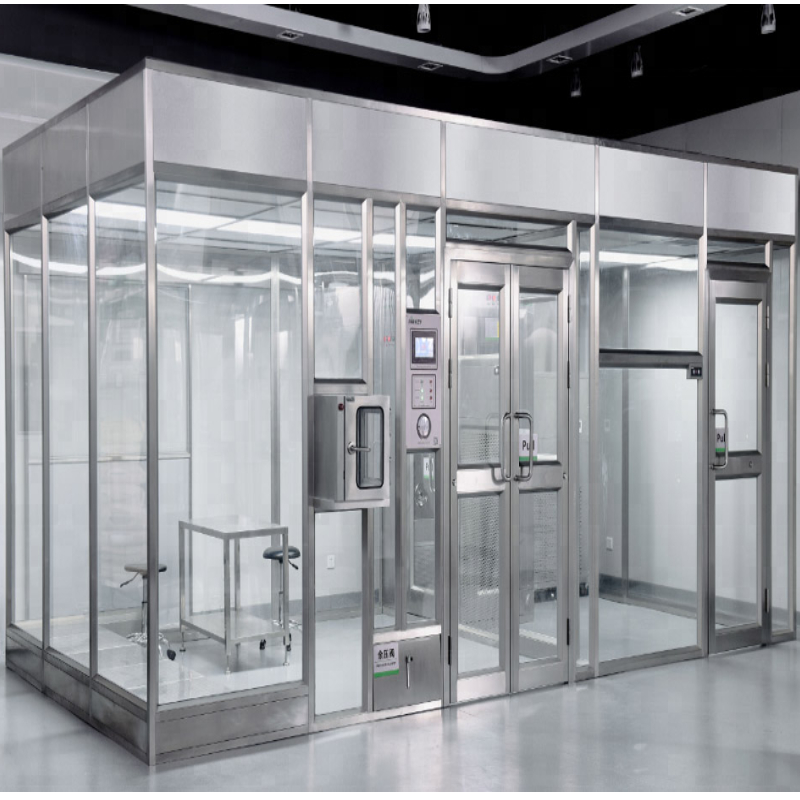
Данные показывают, что при увеличении сопротивления воздушного фильтра вдвое по сравнению с начальным значением энергопотребление вентилятора может возрасти более чем на 30%! Сопротивление воздушного фильтра не является постоянной величиной; оно постепенно увеличивается с увеличением пылеудерживающей способности фильтрующего материала. Когда сопротивление превышает расчетный порог, это не только увеличивает энергопотребление, но и может повлиять на объем вентиляции, нарушая тем самым стабильность чистой среды. Освоение научных методов снижения сопротивления позволяет эффективно сбалансировать эффективность фильтрации и эксплуатационные расходы, обеспечивая эффективную и энергосберегающую работу системы.
Выбор правильного типа фильтра: регулирование начального сопротивления источника.
Начальное сопротивление является одним из основных параметров работы воздушного фильтра и ключевым фактором, определяющим базовое энергопотребление системы. На этапе выбора необходимо отдавать предпочтение низкоомным и подходящим воздушным фильтрам, исходя из реальных условий эксплуатации.
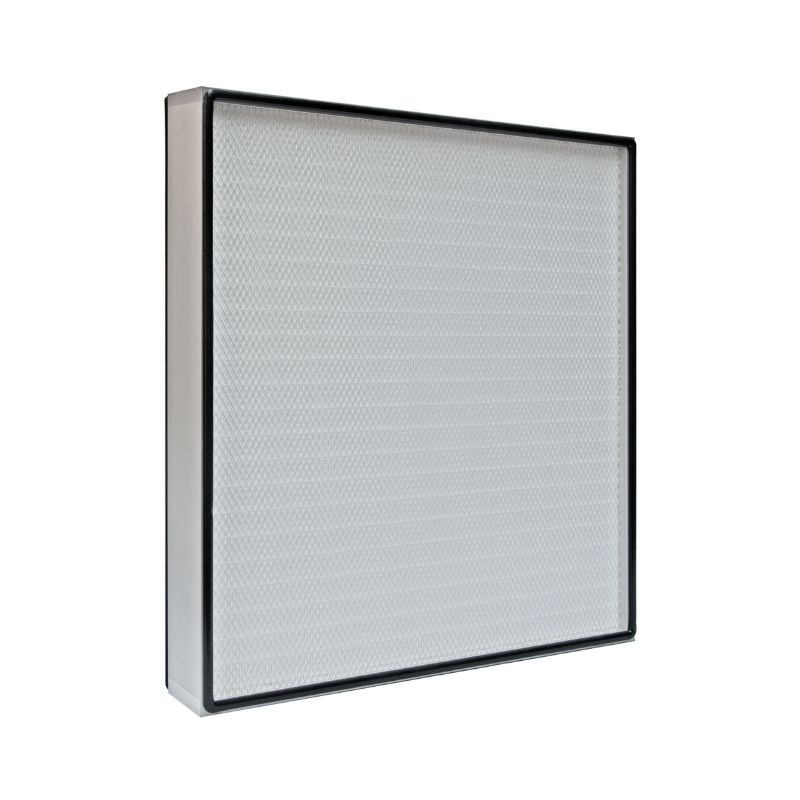
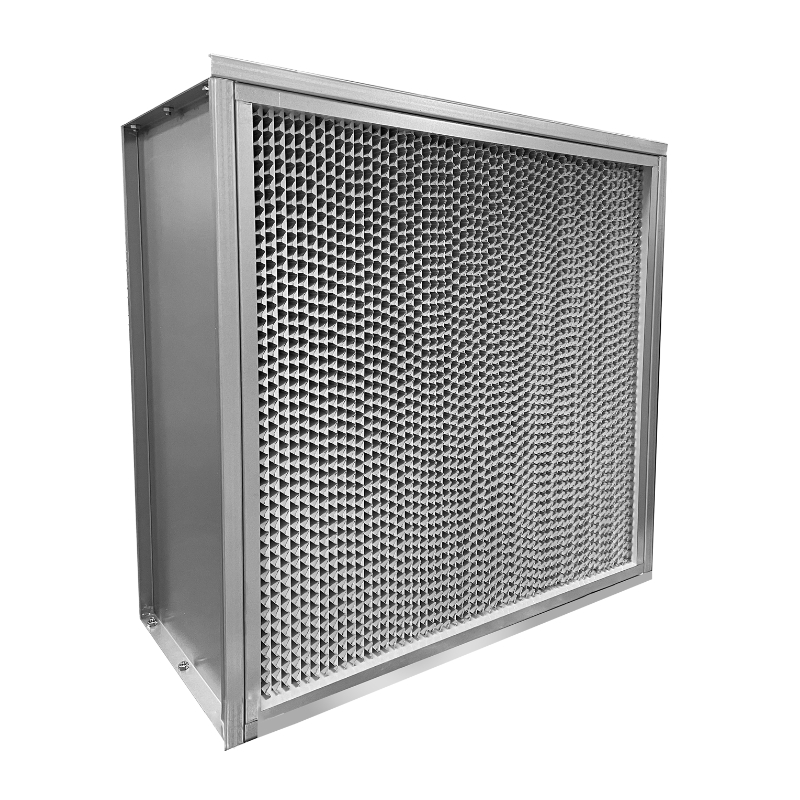
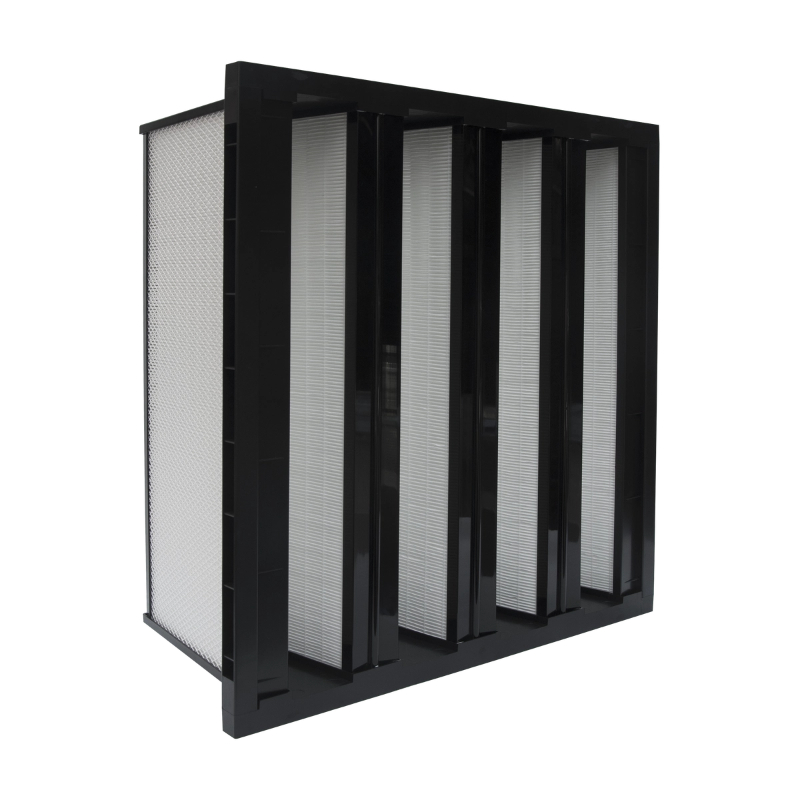
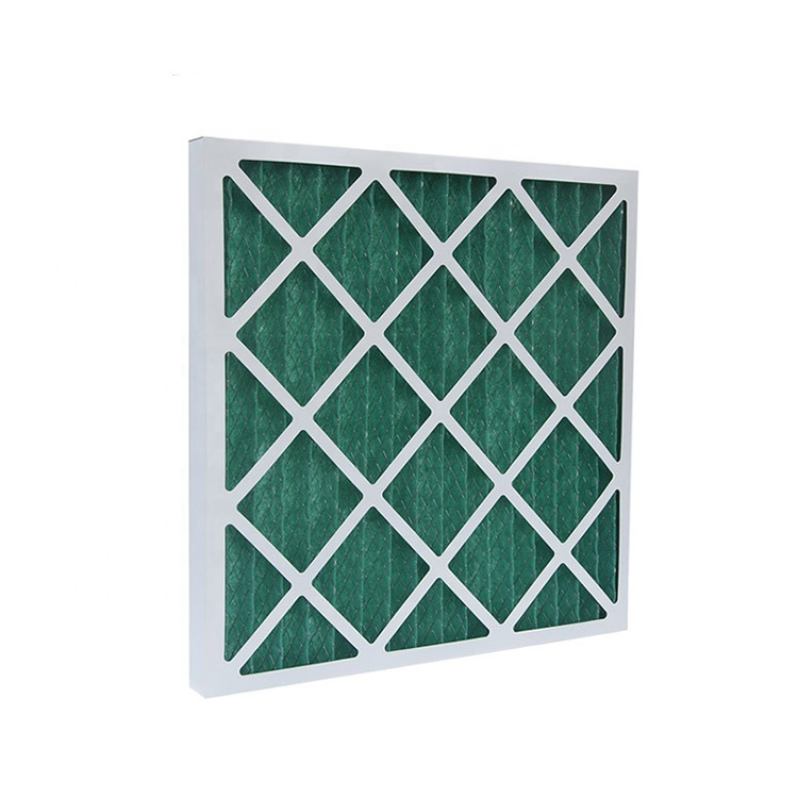
1. Отдавайте предпочтение изделиям с большой площадью фильтрации: при одинаковой эффективности фильтрации, чем больше площадь фильтрации, тем медленнее поток воздуха через фильтрующий материал и тем ниже начальное сопротивление. Например, начальное сопротивление гофрированного предварительного фильтра значительно ниже, чем у гофрированного предварительного фильтра тех же характеристик; карманные фильтры средней эффективности дополнительно снижают сопротивление за счет увеличения количества и объема фильтрующих мешков.
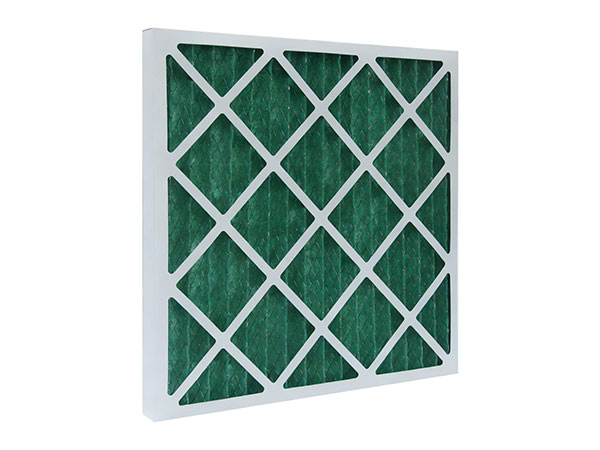
2. Подберите фильтр с соответствующим уровнем эффективности фильтрации: Избегайте излишних требований и выбирайте воздушные фильтры с нужной эффективностью, исходя из требований к последующей очистке. Если необходимо улавливать только крупные частицы пыли, слепой выбор высококачественного воздушного фильтра значительно увеличит начальное сопротивление, что приведет к ненужным потерям энергии.
3. Выбирайте высококачественные фильтрующие материалы с низким сопротивлением: высококачественные фильтрующие материалы имеют более рациональное расположение волокон и лучшую воздухопроницаемость. Оптимизация методов установки и настройки.
Разумная схема установки и сочетание фильтрующих слоев могут снизить потери энергии из-за сопротивления воздушному потоку внутри системы, предотвращая увеличение энергопотребления, вызванное чрезмерно высоким локальным сопротивлением.
1. Обеспечьте герметичность при монтаже: Зазоры между фильтром и рамой могут привести к короткому замыканию воздушного потока, влияя не только на эффективность фильтрации, но и вызывая локальную турбулентность воздушного потока, что косвенно увеличивает сопротивление системы. При монтаже строго следуйте техническим условиям и используйте уплотнительные ленты или кромочные уплотнительные элементы для обеспечения бесшовного соединения.
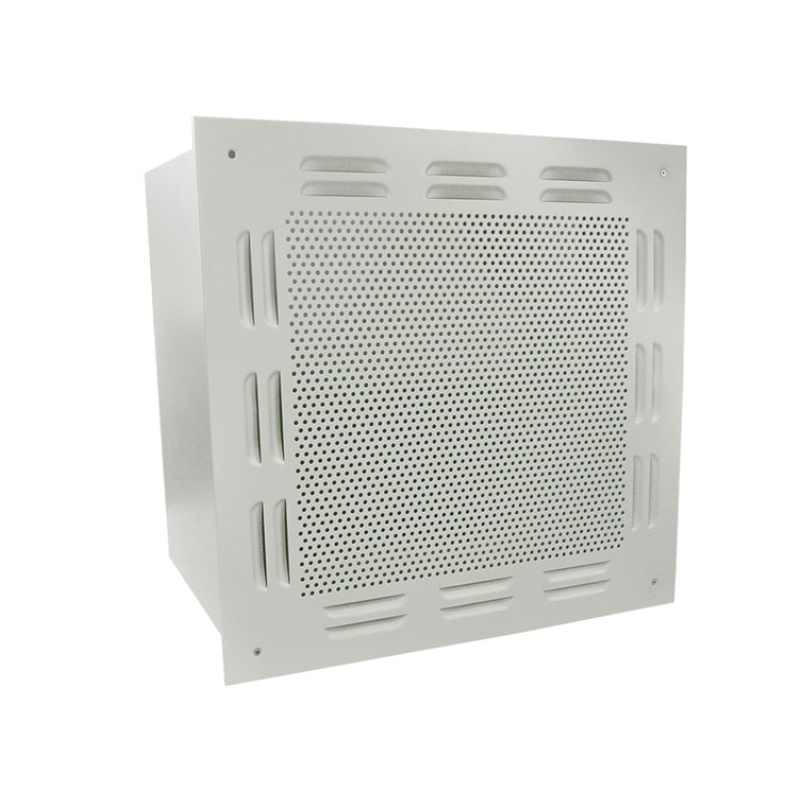
2. Научно обоснованная схема фильтрации: следует принципу прогрессивной фильтрации «предварительный фильтр — фильтр средней эффективности — фильтр высокой эффективности», позволяя различным уровням фильтрации выполнять свои функции. Предварительный фильтр задерживает крупные частицы, а фильтр средней эффективности улавливает мелкую пыль, предотвращая прямое попадание крупных частиц в фильтр высокой эффективности. Это продлевает срок службы фильтра высокой эффективности и поддерживает стабильность общей сопротивляемости системы.
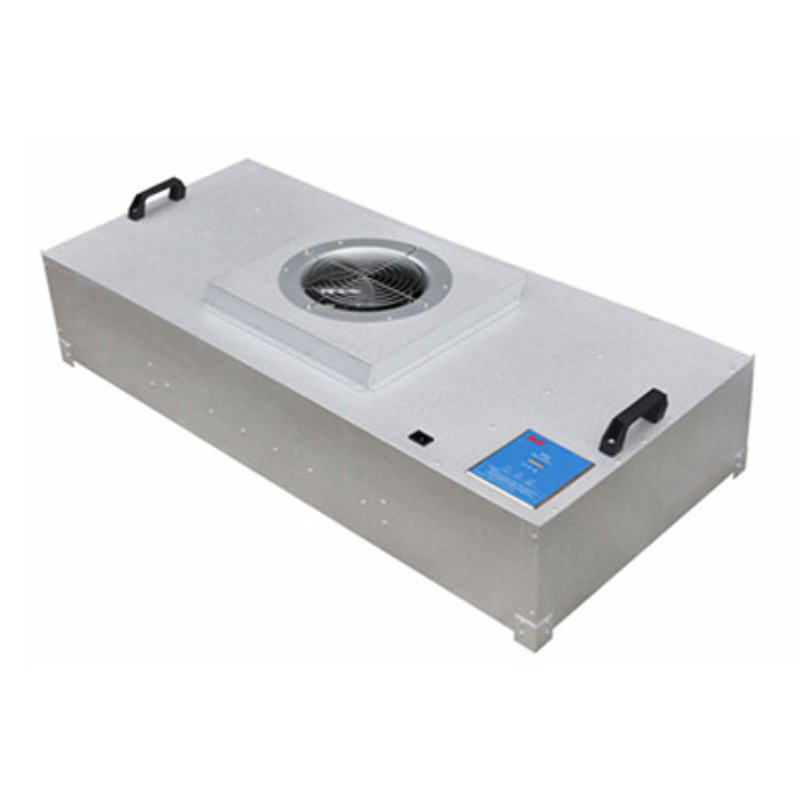
3. Рационально распределите количество фильтров: исходя из требований к расходу воздуха в системе вентиляции, рационально распределите количество и расположение фильтров, чтобы избежать резкого увеличения сопротивления из-за перегрузки одного фильтрующего блока потоком воздуха.
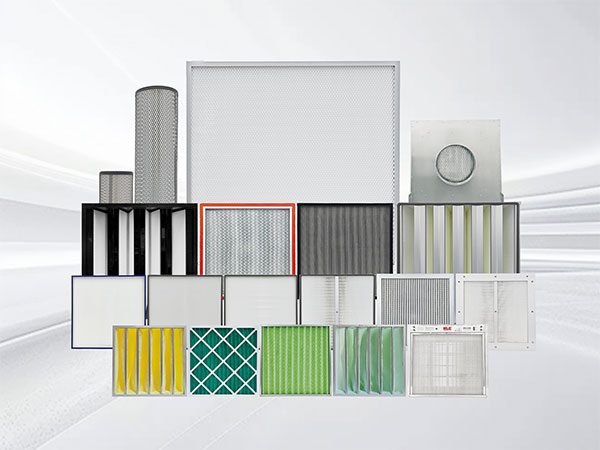
Положительная корреляция между сопротивлением воздушного фильтра и энергопотреблением означает, что снижение сопротивления является ключевым путем к сокращению затрат. Научный контроль на каждом этапе, от выбора и установки до эксплуатации и технического обслуживания, позволяет добиться энергоэффективной и высокопроизводительной работы системы вентиляции.



 Поддерживается сеть IPv6