ЧТО ВЫ ИЩЕТЕ?
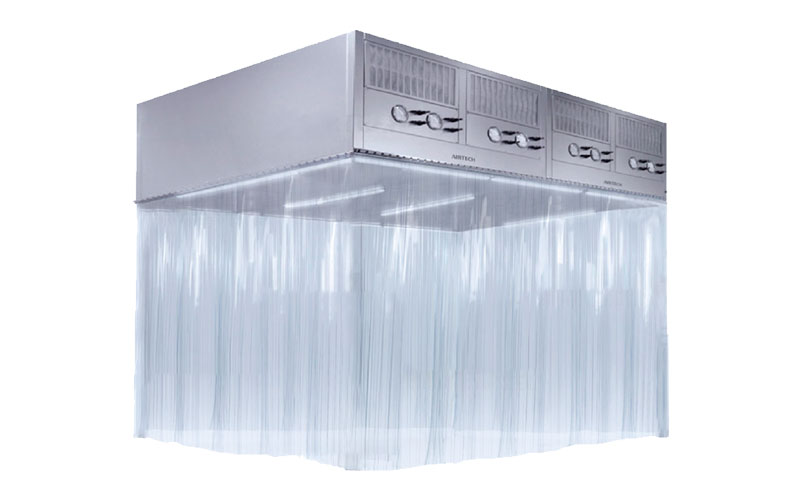
В промышленном производстве и научных исследованиях многие критически важные процессы чрезвычайно чувствительны к пыли и микроорганизмам, находящимся в воздухе; даже одна пылинка может испортить микрочип, а одна бактерия может сделать целую партию фармацевтических препаратов непригодной для использования. Ламинарные боксы Это воздухоочистительные установки, разработанные специально для соответствия этим локальным требованиям к чистоте воздуха «класса 100».
Что такое ламинарный бокс? Как он работает?
Ламинарный бокс — это устройство для очистки воздуха, обеспечивающее локализованную среду с высокой степенью чистоты. Его можно гибко устанавливать над определенными технологическими точками, требующими высокой чистоты, — как в качестве автономного устройства, так и в сочетании с другими для образования непрерывной чистой зоны. Основной принцип его работы прост: вентилятор забирает воздух, который проходит через две ступени фильтрации (предварительные фильтры и HEPA-фильтры).ULPA-фильтрыЗатем воздух направляется через устройство выравнивания потока для создания равномерного, стабильного, вертикального однонаправленного воздушного потока (т.е. «ламинарного потока»), который непрерывно обтекает рабочую зону.
Ламинарный бокс против воздухораспределительного бокса: в чем разница? В отрасли часто путают эти два понятия. Воздухораспределительный бокс (Вентиляторный фильтрующий блокВентилятор с ламинарным потоком (FFU) — это модульное устройство, объединяющее вентилятор и высокоэффективный фильтр; оно отличается гибкостью «подключи и работай» и предназначено для крупномасштабной установки в потолочных сетках чистых помещений. В отличие от него, ламинарный бокс имеет более полную конструкцию — как правило, включающую собственный корпус и слой выравнивания потока — что делает его более подходящим для создания локализованной среды класса 100 в определенных точках чистых помещений более низкого класса. Проще говоря: вентиляторы с ламинарным потоком — это как «строительные материалы», а ламинарные боксы — как «оборудование».
Основные области применения
Производство электроники: защита от пыли
Такие процессы, как упаковка микросхем, сборка ЖК-панелей и производство прецизионных оптических приборов, требуют чрезвычайно строгого контроля над частицами пыли размером ≥0,5 мкм. Ламинарные боксы обеспечивают локальную чистую среду класса ISO 5 (класс 100) или выше. В электронной промышленности они часто используются в сочетании с чистыми камерами или располагаются последовательно вдоль производственных линий для образования «зон чистого ламинарного потока», обеспечивая защиту критически важных рабочих мест от загрязнения.
Переработка пищевых продуктов: обеспечение биобезопасности
Такие процессы, как культивирование пробиотиков, асептическая упаковка и розлив молочных продуктов, также зависят от локальной чистой среды, обеспечиваемой ламинарными боксами. В отличие от фармацевтической промышленности, которая ставит во главу угла стерильность, пищевая промышленность больше сосредоточена на контроле микробного загрязнения и продлении срока годности продукции. Ламинарные боксы эффективно изолируют продукцию от потенциального загрязнения, вызванного операторами и окружающей средой, за счет непрерывной подачи чистого воздуха.
Здравоохранение и научные исследования: обеспечение безопасности эксплуатации
В больницах ламинарные боксы используются для процедур, требующих стерильных условий, например, в отделениях трансплантации костного мозга, при приготовлении химиотерапевтических препаратов и внутривенных питательных растворов. В лабораториях они обеспечивают стабильную и надежную локализованную среду класса 100 для таких задач, как культивирование клеток и инокуляция микроорганизмов.
Методы установки и руководство по выбору
Ламинарные боксы выпускаются в трех основных конфигурациях: подвесные (устанавливаемые на потолке, подходят для стационарных рабочих мест), напольные (подходят для мест, где подвеска к потолку невозможна) и мобильные (тележки для ламинарных боксов; они обеспечивают гибкость перемещения и включают модели с источником бесперебойного питания (ИБП), обеспечивающим от 2 до 8 часов работы).
Основные показатели эффективности (на основе стандартного ламинарного бокса класса 100):
Чистота: количество частиц пыли ≥0,5 мкм в рабочей зоне ≤3,5 частиц/литр (класс FS209E 100)
Средняя скорость воздушного потока: 0,25–0,55 м/с (регулируемая).
Уровень шума: ≤64 дБ(А)
Источник питания: 220 В, 50 Гц
Основные принципы технического обслуживания и распространенные заблуждения
1. Регулярная замена HEPA-фильтров: Рекомендуется заменять предварительные фильтры каждые 1–6 месяцев, а HEPA-фильтры — каждые 6–12 месяцев. Эти фильтры нельзя мыть; после замены рекомендуется провести проверку на герметичность.
2. Отключение питания при неисправности: Если оборудование работает ненормально, немедленно отключите питание и обратитесь к специалисту для обслуживания; не пытайтесь разбирать устройство самостоятельно.
3. Экологические ограничения: Рабочая температура не должна превышать 50°C, использование открытого огня в помещении строго запрещено.



 Поддерживается сеть IPv6