ЧТО ВЫ ИЩЕТЕ?
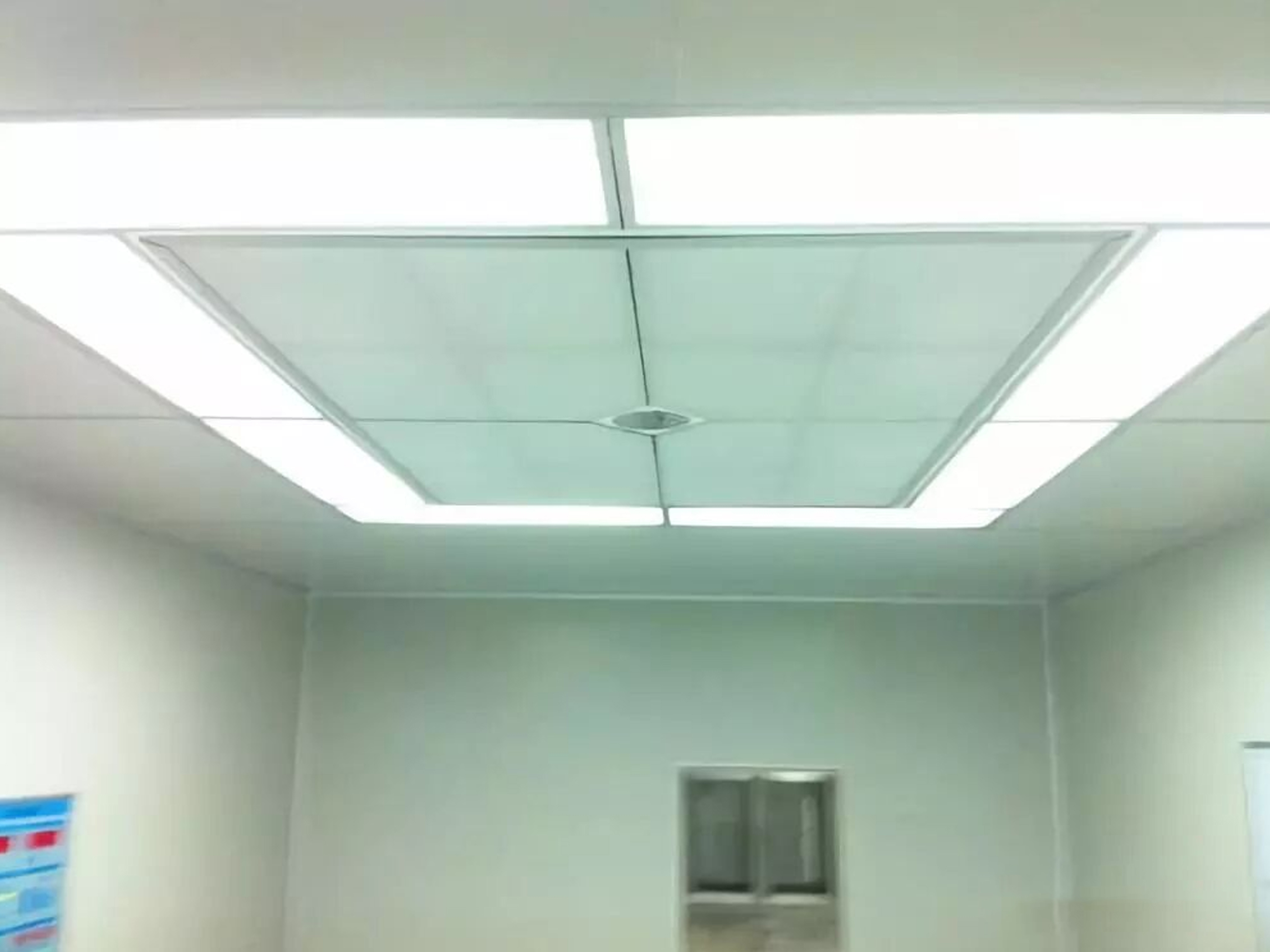
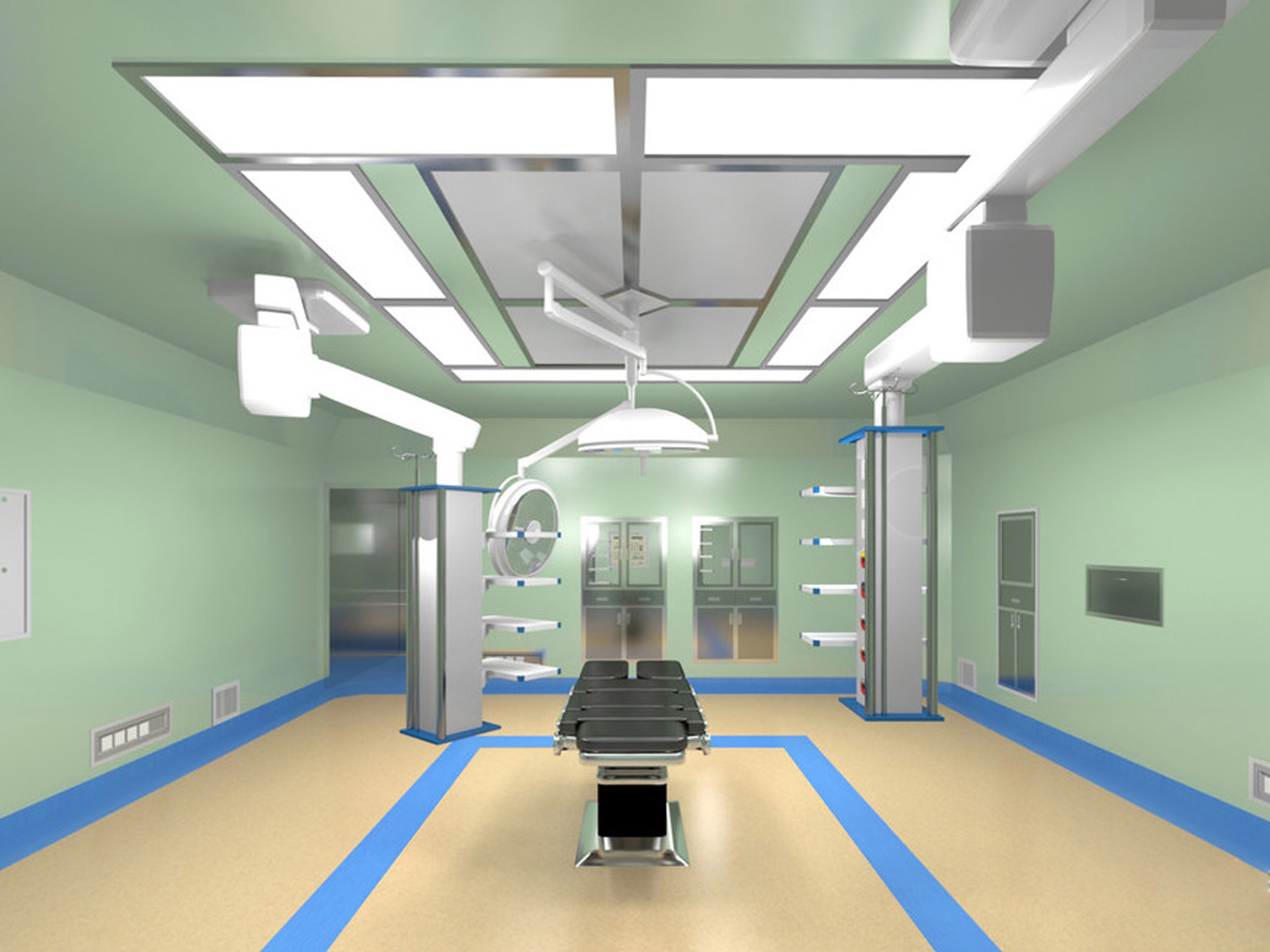
A laminar flow ceiling is a specialized air distribution system that creates a vertical, unidirectional flow of HEPA-filtered air over the surgical site. By maintaining an ISO 5 environment and positive pressure, it effectively prevents airborne contaminants from entering the surgical wound, ensuring patient safety and GMP/HTM compliance. In modern hospital design, the laminar flow ceiling (also known as a surgical canopy) is the gold standard for ultra-clean operating theaters. KLC’s systems are engineered to meet the stringent requirements of DIN 1946-4 and ISO 14644-1.
Technical Specifications and Design Standards
|
Parameter |
KLC Standard |
Compliance Standard |
|
Cleanliness Class |
ISO 5 (Class 100) |
ISO 14644-1 |
|
Air Velocity |
0.25 m/s – 0.45 m/s |
DIN 1946 / HTM 03-01 |
|
HEPA Efficiency |
99.995% @ 0.3μm (H14) |
EN 1822 |
|
Frame Material |
Powder-coated Steel / SUS 304 |
Hospital Grade |
|
Lighting |
Integrated LED (Shadowless compatible) |
Standard |
Core Design Principles
1. Coverage Area Calculation: The laminar flow zone must extend at least 0.5 meters beyond the surgical table on all sides. A typical KLC ceiling for an orthopedic suite measures 2.4m x 2.4m or 3.0m x 3.0m.
2. Unidirectional Flow: Unlike standard diffusers that mix air, our ceilings use a specialized "equalizing film" to ensure air moves in a single, non-turbulent column, pushing particles down and out toward floor-level exhausts.
3. Gel-Seal Technology: To ensure 0% bypass leakage, KLC ceilings utilize a fluid-seal (gel) trough, which is superior to traditional mechanical gaskets in sterile hospital environments.
Installation & Validation Checklist
FAQ: Frequently Asked Questions
1. What is a laminar flow ceiling in an operating room?
It is a ceiling-mounted filtration unit that provides a constant stream of sterile air directly over the patient and surgical team to prevent infection.
2. What ISO class is required for an operating room?
While the entire room may be ISO 7, the area directly under the laminar flow ceiling must maintain ISO 5 (Class 100) conditions during surgery.
3. How large should a laminar flow canopy be for a surgical table?
The size depends on the surgery type. Standard sizes range from 1.4m x 2.4m for general surgery to 3.2m x 3.2m for complex orthopedic or cardiac procedures.
4. What air velocity is required for OR laminar flow?
International standards typically require a velocity between 0.2 m/s and 0.45 m/s at the supply face to maintain a stable "piston" of air.
5. How is a laminar flow ceiling different from a fan filter unit (FFU)?
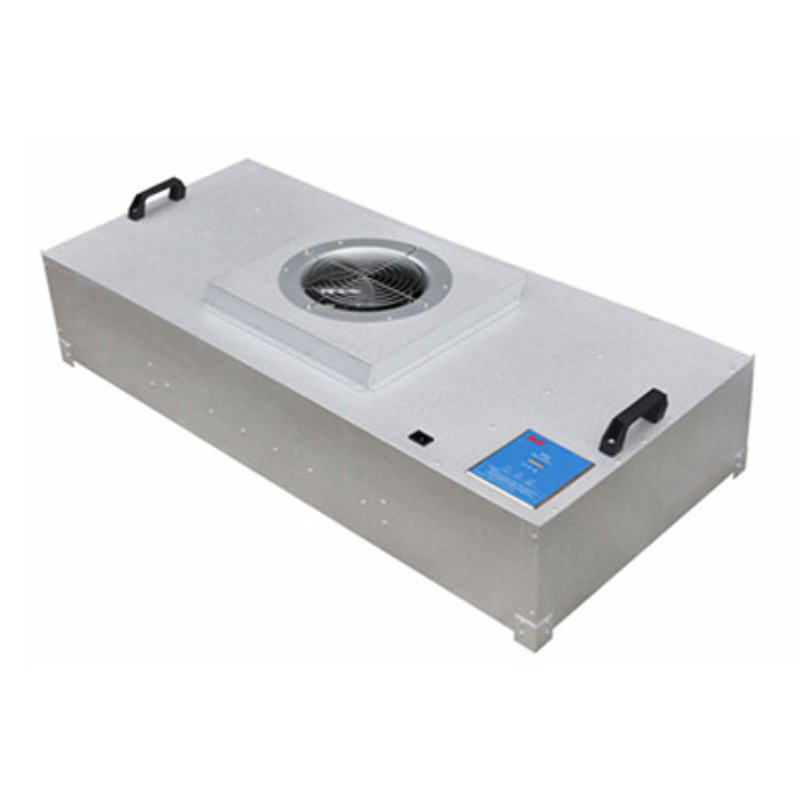
An FFU has its own motor; a laminar flow ceiling is usually a passive plenum supplied by a central Air Handling Unit (AHU), though KLC offers powered versions.
6. Does a laminar flow ceiling need HEPA or ULPA filters?
Standard hospital ORs use H14 HEPA filters. ULPA filters are generally reserved for ultra-sensitive microelectronics or specialized research.
7. How often should operating room HEPA filters be replaced?
Typically every 2-3 years in a hospital setting, or whenever the pressure drop exceeds the manufacturer's limit (usually 2x the initial resistance).
8. Who manufactures laminar flow ceilings for hospitals?
KLC International is a leading manufacturer specializing in hospital-grade filtration and laminar flow systems for the global market.
Upgrade your surgical safety standards.
Explore KLC Laminar Flow Ceiling Models or Consult with our medical engineers.



 Поддерживается сеть IPv6