ЧТО ВЫ ИЩЕТЕ?
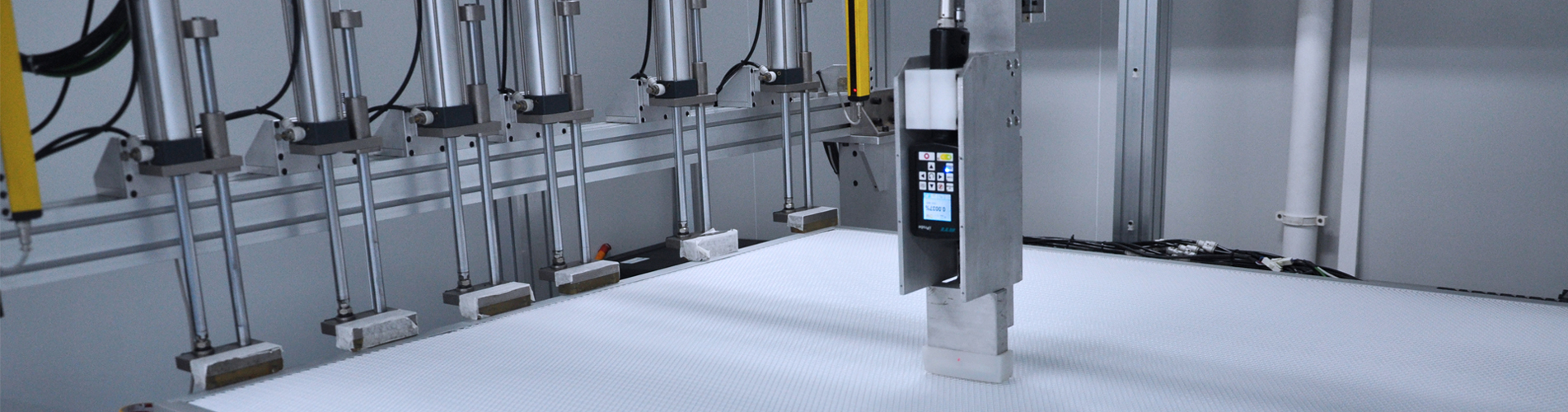
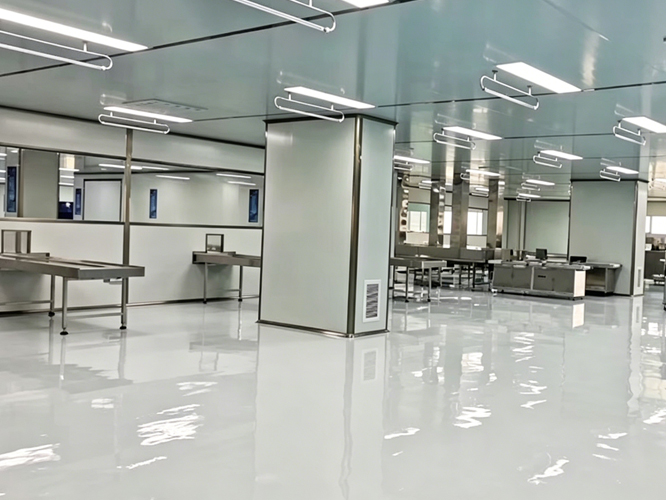
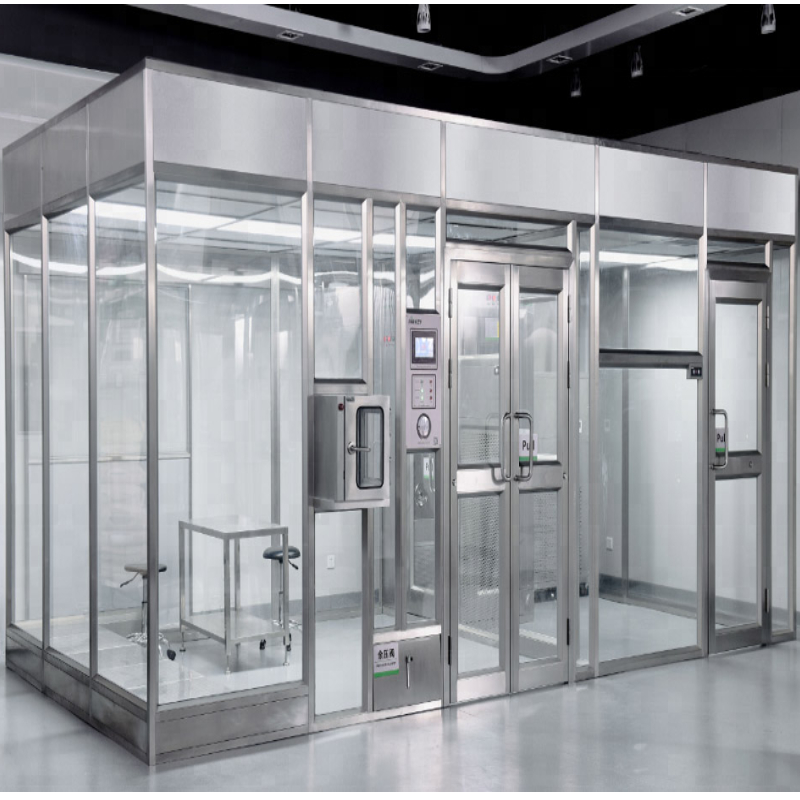
Для обеспечения соответствия требованиям GMP в фармацевтических чистых помещениях предприятиям требуется специализированное оборудование для чистых помещений, такое как воздушные души, ящики для пропуска, рабочие столы с ламинарным потоком воздуха и дозирующие кабины. Эти системы поддерживают строгие пределы содержания взвешенных частиц в воздухе и уровни биологического загрязнения в средах классов ISO от 5 до 8.
В данной статье представлен полный перечень необходимого оборудования для фармацевтических чистых помещений, работающих в соответствии со стандартами GMP (ISO 5–ISO 8). В ней соотносятся характеристики каждого оборудования с соответствующими нормативными положениями Приложения 1 GMP ЕС, подробно описаны требования к валидации IQ/OQ/PQ, а также представлена структура закупок B2B.
Нормативно-правовой контекст: Приложение 1 к Правилам надлежащей производственной практики ЕС и контроль за биологическим загрязнением.
Асептическая фармацевтическая обработка является одним из наиболее строго регулируемых видов промышленной деятельности в мире. Для производства стерильных инъекционных препаратов, твердых лекарственных форм для приема внутрь или офтальмологических растворов компании должны соблюдать международные стандарты надлежащей производственной практики (GMP) и местные рекомендации FDA. В частности, пересмотренные правила GMP Европейского союза (Приложение 1) уделяют огромное внимание стратегиям контроля загрязнения (CCS), активному контролю перепада давления и физической изоляции критических зон.
В соответствии с требованиями GMP чистые помещения подразделяются на четыре различных класса:
• Класс А (эквивалентно стандарту ISO 5 в состоянии покоя и в процессе эксплуатации)Критическая зона для операций высокого риска, таких как асептическое наполнение, укупорка и стерильное компаундирование. Однонаправленный (ламинарный) поток воздуха должен поддерживаться со стабильной скоростью от 0,36 до 0,54 м/с над открытым продуктом.
• Класс B (эквивалентно ISO 5 в состоянии покоя, ISO 6 в рабочем режиме)Фоновая среда, непосредственно окружающая зону асептического розлива класса А.
• Класс C (эквивалентно стандарту ISO 7 в состоянии покоя и в процессе эксплуатации)Используется для менее важных этапов подготовки, таких как приготовление растворов перед стерильной фильтрацией.
• Класс D (эквивалентно стандарту ISO 8 в состоянии покоя и в процессе эксплуатации)Используется для первичной обработки сырья, мытья стеклянной тары и одевания персонала.
Для поддержания такого уровня чистоты необходимо использовать высокоэффективное механическое оборудование, предназначенное для предотвращения перекрестного загрязнения и контроля доступа персонала.
Необходимое оборудование для чистых помещений фармацевтической промышленности
Для строительства соответствующего требованиям фармацевтического предприятия, группы по закупкам в сегменте B2B должны включить в свои проектные спецификации следующее оборудование:
1. Воздушные душевые (для персонала и грузов): Размещается у входа между неклассифицированными зонами переодевания и чистыми помещениями класса C/D. Высокоскоростные струи воздуха с HEPA-фильтрами (обычно ≥25 м/с) направляются вниз, удаляя свободные волокна и частицы кожи с одежды персонала до того, как она попадет в чистое помещение.
2. Блоки передачи данных (статические и динамические)Встраивается в перегородки, позволяя переносить материалы между помещениями с разной степенью чистоты.
– Статические боксы для передачи данных используются для некритичной, пассивной передачи материалов между помещениями одинакового класса чистоты.
– Динамические пропускные пункты В них используются интегрированные системы воздуходувки и HEPA-фильтра для активной продувки внутренней камеры стерильным воздухом класса ISO 5, поддержания избыточного давления и предотвращения перекрестного загрязнения при перекачке между различными сортами.
3. Пункты выдачи (пункты взвешивания и отбора проб)Кабины с нисходящим потоком воздуха предназначены для защиты оператора и окружающей чистой комнаты во время работы с порошкообразными материалами. Воздух забирается вниз, предотвращая попадание токсичной пыли в зону дыхания оператора или ее распространение в соседние чистые помещения.
4. Рабочие столы для ламинарного потока: Локализованные чистые рабочие места, обеспечивающие защиту класса ISO 5 (класс А) для неопасных стерильных препаратов.
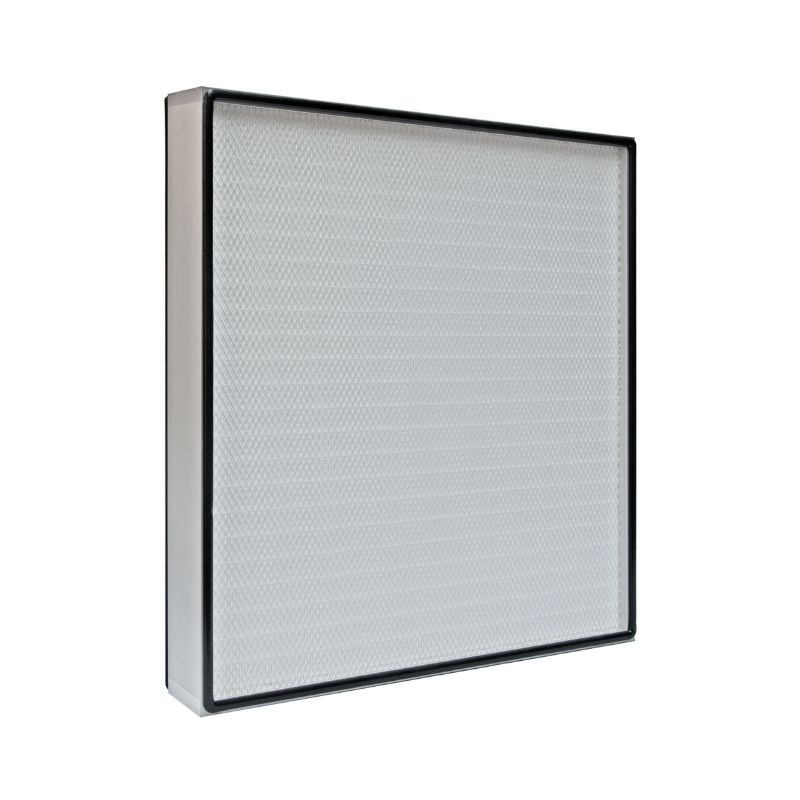
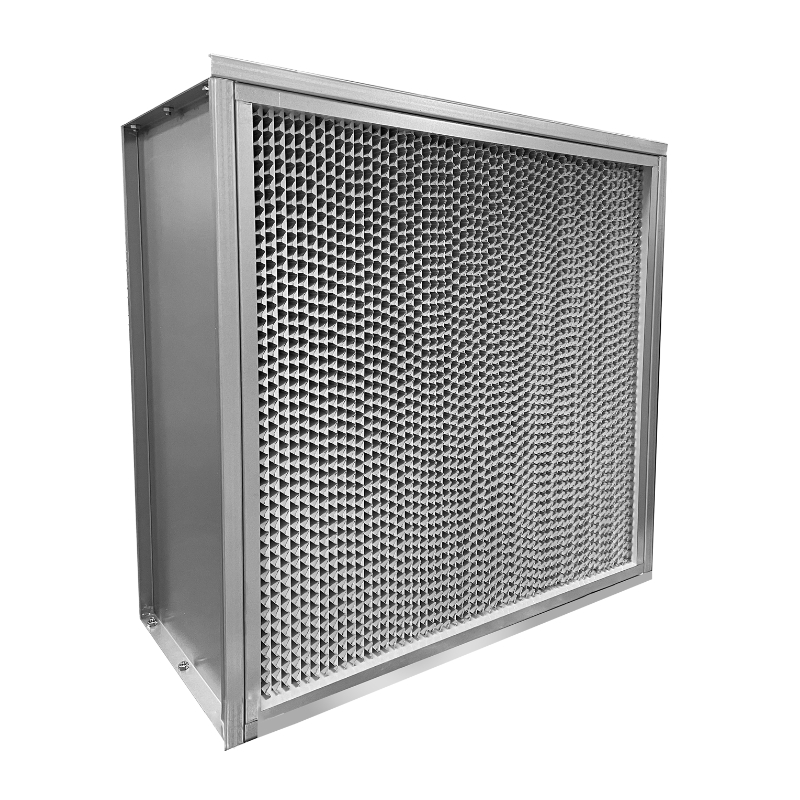
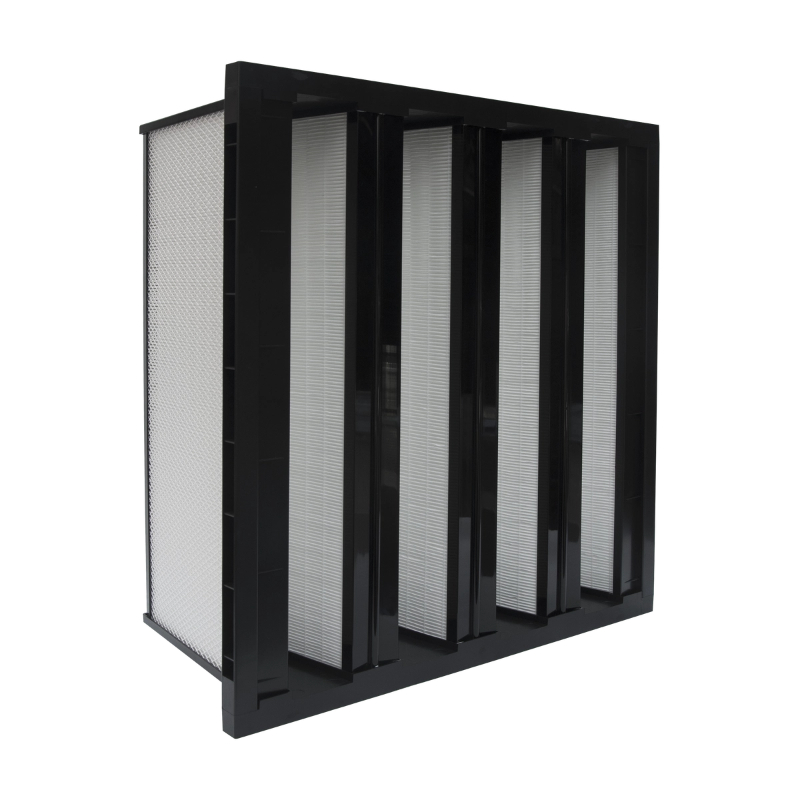
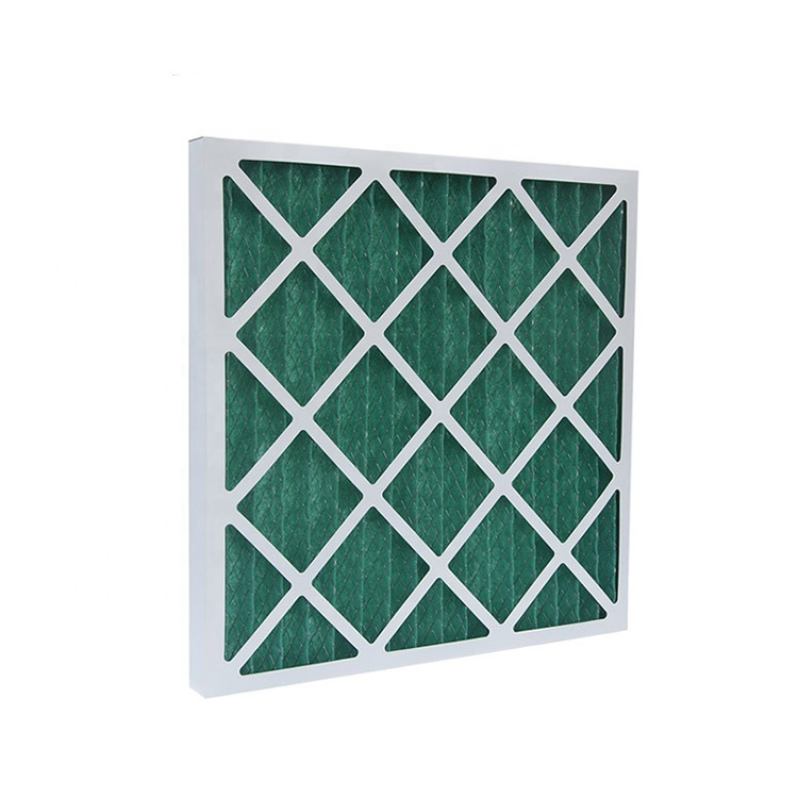
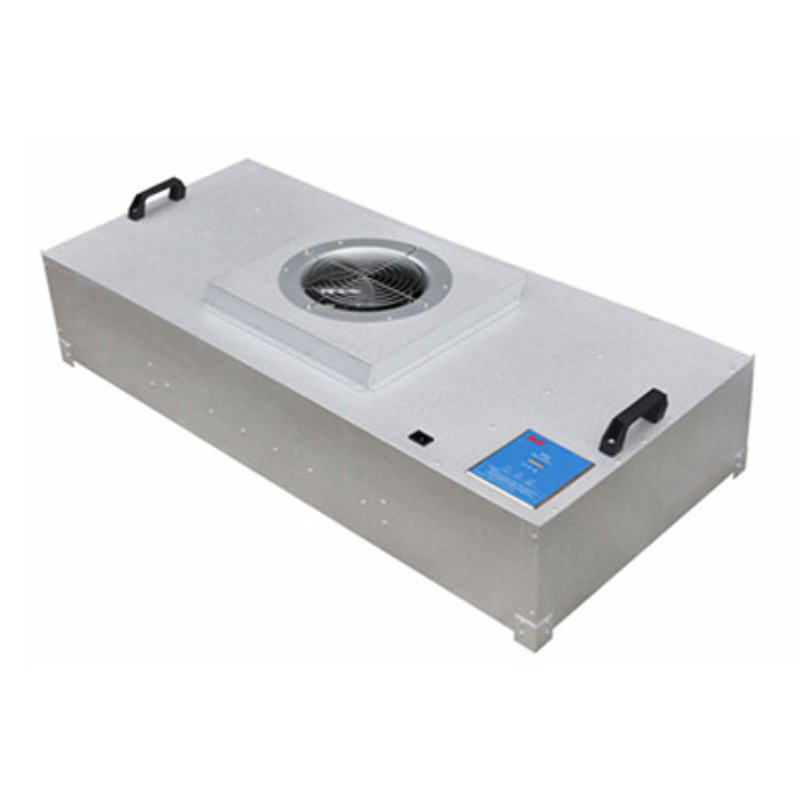
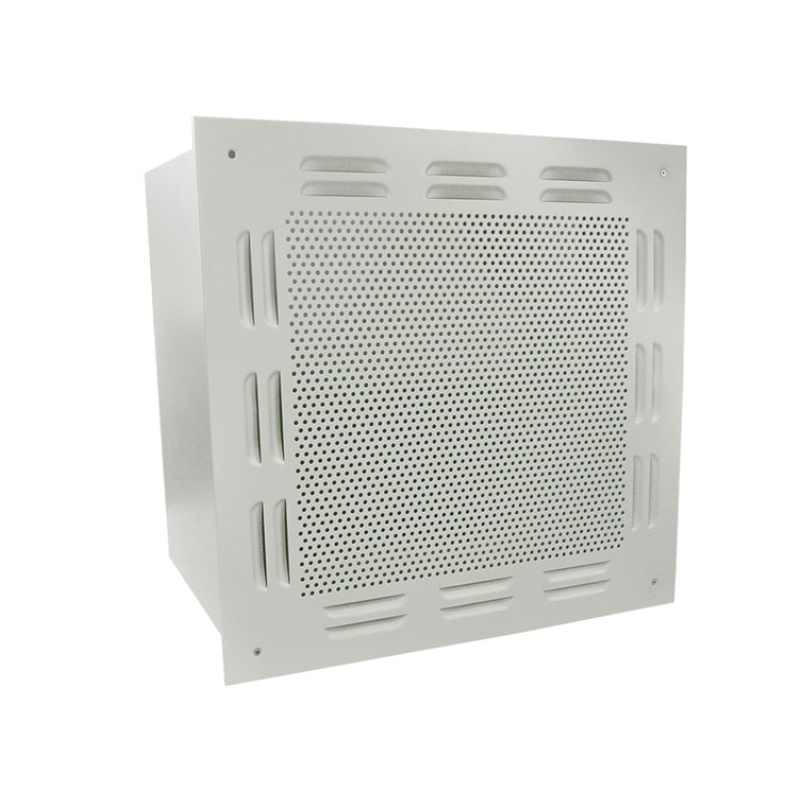
5. Вентиляторные фильтрующие блоки (FFU) и корпуса HEPA-фильтров для терминалов.Высокоэффективные воздушные фильтры со встроенными вентиляторами, установленные на потолочных решетках, обеспечивают подачу стерильного воздуха в чистые зоны.
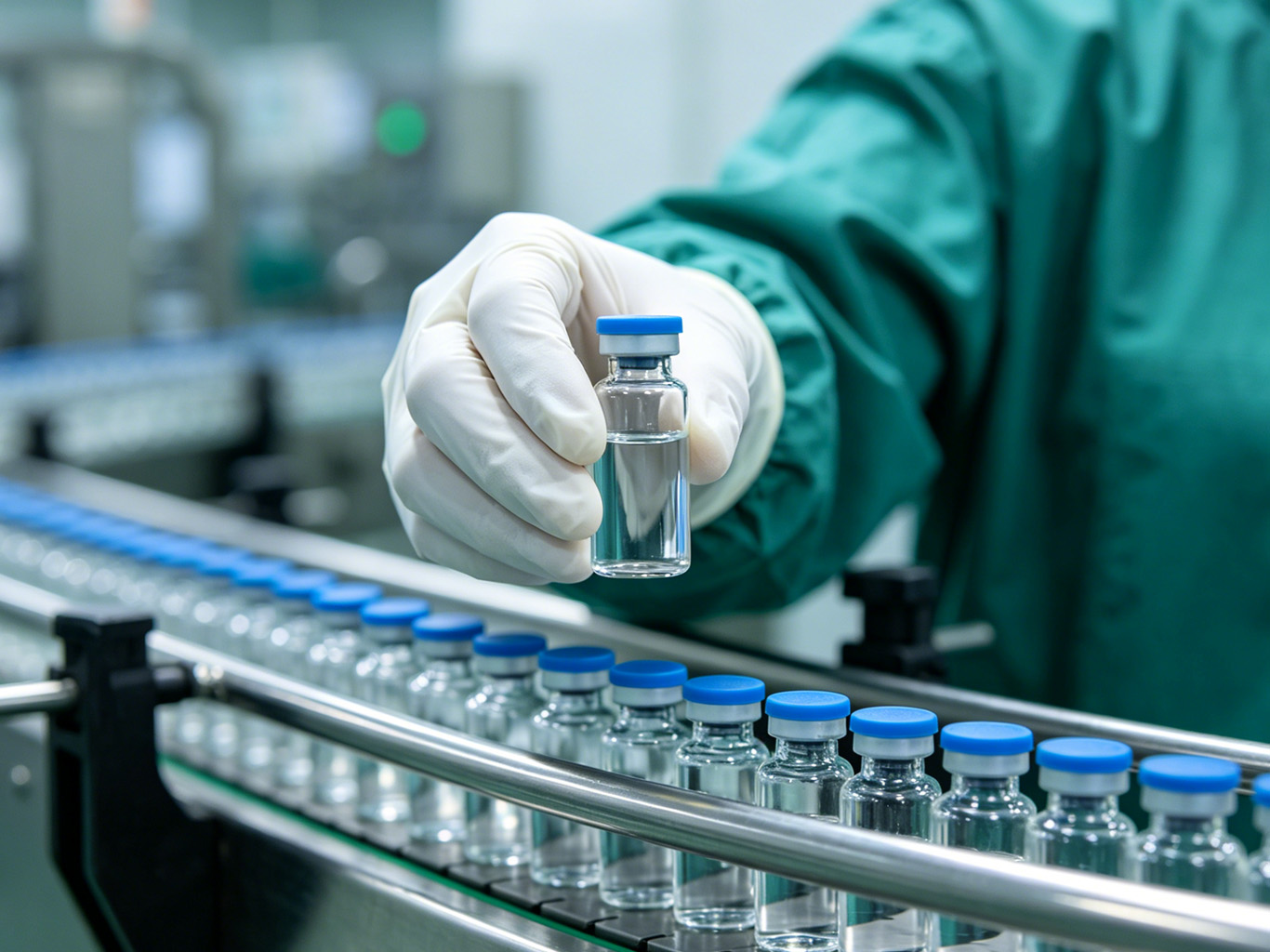
Приложение 1 к Соответствующим положениям GMP ЕС
Понимание нормативных требований, определяющих назначение каждого типа оборудования, имеет решающее значение:
• Пункт 4.12 (Однонаправленный поток класса А)В документе указано, что в зонах класса А необходимо поддерживать однородную скорость воздушного потока от 0,36 до 0,54 м/с в рабочей зоне. Это напрямую оправдывает приобретение рабочих мест с ламинарным потоком или камер дозирования с нисходящим потоком воздуха и встроенными датчиками скорости.
• Пункт 4.14 (Разница давлений)Требуется положительный перепад давления от 10 до 15 Паскалей между соседними чистыми помещениями разных классов. Воздушные душевые кабины и передаточные боксы с автоматическими электромагнитными блокировками имеют решающее значение для предотвращения падения давления при открытии дверей.
• Пункт 4.22 (Передача материалов)В нем четко указано, что при перемещении оборудования и материалов в чистые помещения риски загрязнения должны быть сведены к минимуму. Это делает динамические проходные боксы (оснащенные УФ-лампами и фильтрами H14 HEPA) обязательным требованием для предприятий, работающих в соответствии с требованиями GMP.
Требования к валидации: Обзор IQ/OQ/PQ
Прежде чем любое оборудование для фармацевтических чистых помещений будет использовано в коммерческом производстве, оно должно пройти строгий процесс валидации:
• Квалификация монтажа (IQ)Проверяет, что оборудование изготовлено из соответствующих материалов (обычно нержавеющая сталь SUS304 или SUS316L), соответствует утвержденным техническим чертежам, установлено в правильном месте, а также что все подключения к инженерным сетям (электрические, вытяжные) проверены и зарегистрированы.
• Оперативная квалификация (ОК)Проверяет оборудование в пустом состоянии, чтобы убедиться, что все элементы управления работают в пределах проектных параметров. Это включает измерение равномерности скорости нисходящего воздушного потока, проверку работы электронных блокировок дверей и проведение испытаний на герметичность HEPA-фильтров с помощью аэрозольного фотометра (в соответствии со стандартом EN 1822) для подтверждения отсутствия утечек через обходной канал.
• Квалификационная оценка производительности (PQ)Эта проверка проводится в условиях имитации производственного процесса (например, заполнения асептических сред). На данном этапе проверяется, что оборудование способно стабильно поддерживать требуемое количество взвешенных частиц в воздухе и микробиологические пределы (с помощью пробоотборников воздуха и чашек Петри) в реальных условиях рабочего процесса.
Поиск поставщиков и индивидуальные конфигурации KLC
Для фармацевтических компаний, закупающих оборудование для предприятий, соответствующих стандартам GMP, KLC предлагает полный и высококачественный каталог оборудования для чистых помещений фармацевтической промышленности, предназначенный для бизнеса. Их системы изготавливаются из медицинской нержавеющей стали SUS304 с зеркально отполированными внутренними углами для предотвращения скопления бактерий.
Динамические передаточные боксы KLC оснащены встроенными HEPA-фильтрами H14, датчиками перепада давления и электромагнитными блокировками, управляемыми ПЛК, что обеспечивает полное соответствие Приложению 1, пункту 4.22 Правил надлежащей производственной практики ЕС (GMP). Для отбора проб и взвешивания сырья дозирующие кабины KLC с нисходящим потоком обеспечивают стерильность класса 100 за счет многоступенчатой фильтрации (предварительный фильтр G4 + средний фильтр F9 + HEPA-фильтр H14) и специализированных конструкций воздушных завес для защиты как продукта, так и оператора.
Руководство по оборудованию и фильтрам для фармацевтических чистых помещений
Класс чистоты помещения (ISO / GMP) | Тип необходимого оборудования | Рекомендуемое количество / Руководство | Фильтр HEPA критически важного класса | Роль в обеспечении соответствия требованиям GMP |
ISO 5 / GMP Grade A | Рабочий стол с ламинарным потоком, динамический передаточный бокс, дозирующая камера. | 1 на критическую зону / линию розлива | H14 (≥99,995%) или U15 (≥99,9995%) | Обеспечивает однонаправленный стерильный воздушный барьер непосредственно над открытым продуктом. |
ISO 6 / GMP Grade B | Корпуса терминальных HEPA-диффузоров, передаточные боксы (динамические) | 1 жилое помещение на 4–6 м² | H14 (≥99,995%) | Обеспечивает поддержание фонового режима класса B для линий розлива. |
ISO 7 / GMP Grade C | Воздушный душ для грузов/персонала, стационарный передаточный бокс, FFU | 1 воздушный душ на каждом входе; ящики для пропусков по мере необходимости. | H13 (≥99,95%) или H14 | Подготовка персонала к уборке, предотвращение загрязнения в зонах класса D. |
ISO 8 / GMP Grade D | Вентиляторно-фильтрующие установки (ВФУ), двери чистых помещений, воздушные заслонки | Достаточное количество FFU для 20-40 ACH | H13 (≥99,95%) | Базовая конструкция чистой комнаты, зоны для переодевания и мытья рук начального уровня. |
Часто задаваемые вопросы
В чём разница между статическим и динамическим контрольно-измерительным боксом в соответствии с требованиями GMP?
Стационарный передаточный бокс — это невентилируемая камера, используемая для перемещения материалов между помещениями одинаковой чистоты. Динамический передаточный бокс оснащен встроенным вентилятором и системой фильтрации H14 HEPA. Он активно циркулирует стерильный воздух внутри камеры, удаляя частицы при открытии дверей, и поддерживает избыточное давление, что делает его обязательным для перемещения материалов между различными классами чистоты, соответствующими требованиям GMP.
Почему использование воздушных душевых кабин обязательно для персонала, входящего в фармацевтические чистые помещения?
Персонал является крупнейшим источником загрязнения чистым помещением частицами и микробиологическими веществами, постоянно оставляя на одежде частицы кожи и волокна. Использование воздушных душевых кабин обязательно, поскольку они используют высокоскоростные (≥25 м/с) потоки воздуха, очищенные HEPA-фильтрами, для интенсивной очистки и удаления этих частиц с одежды персонала перед его входом в чистые производственные зоны.
Как Приложение 1 к регламенту GMP ЕС влияет на выбор ламинарных боксов?
Пересмотренное Приложение 1 к правилам GMP ЕС требует строгого соблюдения однонаправленных скоростей потока (от 0,36 до 0,54 м/с) и непрерывного мониторинга окружающей среды. При выборе ламинарных боксов покупатели должны отдавать предпочтение моделям, оснащенным встроенными датчиками скорости, автоматической компенсацией скорости вентилятора для компенсации нагрузки на фильтр и интегрированными портами для отбора проб воздуха на наличие твердых частиц и микроорганизмов.
Каковы требования к качеству IQ/OQ/PQ для динамического сквозного блока?
Для квалификации IQ требуется проверка конструкции, размеров и электрических схем из нержавеющей стали (SUS304). Для квалификации OQ проводится проверка логики электромагнитной блокировки двери, измерение скорости внутреннего нисходящего потока и проверка герметичности HEPA-фильтра PAO/DOP. Для квалификации PQ требуется проведение активного подсчета частиц и анализа поверхностных микробиологических мазков для подтверждения отсутствия загрязнения во время перемещения материала.
Какова роль дозирующей кабины (кабины для отбора проб) при взвешивании фармацевтических препаратов?
Кабина для дозирования защищает как оператора, так и чистую комнату от токсичных порошков лекарственных препаратов во время взвешивания и отбора проб. Создавая нисходящий ламинарный поток, она отводит находящуюся в воздухе порошковую пыль вниз и от лица оператора, направляя ее через предварительные фильтры и HEPA-фильтры на уровне пола, после чего воздух рециркулируется.
Можно ли использовать HEPA-фильтры с алюминиевой рамой в стерильном чистом помещении, соответствующем стандартам GMP?
Да, анодированные алюминиевые рамы отлично подходят для HEPA-фильтров в чистых помещениях, соответствующих стандартам GMP, поскольку они устойчивы к коррозии, легки и не ржавеют при воздействии химических дезинфицирующих средств. Однако фильтры должны быть установлены в герметичные корпуса с гелевыми или высокотемпературными неопреновыми прокладками для предотвращения утечек, а рамы должны быть тщательно продезинфицированы.
Каким образом двери чистых помещений способствуют поддержанию перепада давления?
Двери чистых помещений должны обеспечивать герметичность для предотвращения падения давления. Двери, соответствующие требованиям GMP, оснащены специальными откидными нижними уплотнителями и прочными уплотнителями по периметру. При закрытии двери эти уплотнители прижимаются к раме, предотвращая утечку стерильного воздуха и обеспечивая поддержание необходимого перепада давления от 10 до 15 Паскалей.
Как очистить и продезинфицировать динамическое оборудование для чистых помещений, не повредив HEPA-фильтры?
Динамическое оборудование следует очищать с помощью некоррозионных дезинфицирующих средств (таких как 70% изопропиловый спирт или пары перекиси водорода), нанося их на поверхности из нержавеющей стали. Персонал ни в коем случае не должен распылять жидкие дезинфицирующие средства непосредственно на фильтрующий материал HEPA, поскольку жидкости могут повредить стекловолокно, растворить связующие вещества и нарушить целостность фильтра.
Заключение и рекомендации
Для поддержания соответствия требованиям GMP необходима тщательная координация механического оборудования чистых помещений и строгие протоколы валидации. Инвестиции в высококачественные динамические передаточные боксы, воздушные душевые кабины и кабины для нисходящего потока, изготовленные из высококачественной нержавеющей стали SUS304, имеют решающее значение для прохождения международных аудитов.
Чтобы гарантировать соответствие вашего предприятия требованиям Приложения 1 к GMP ЕС и получение полной сертификации, мы рекомендуем сотрудничать с опытным производителем, предоставляющим исчерпывающую документацию по валидации. Ознакомьтесь с полным ассортиментом нашего оборудования для фармацевтических чистых помещений, посетив наш сайт. KLC International Cleanroom Systems.



 Поддерживается сеть IPv6