ЧТО ВЫ ИЩЕТЕ?
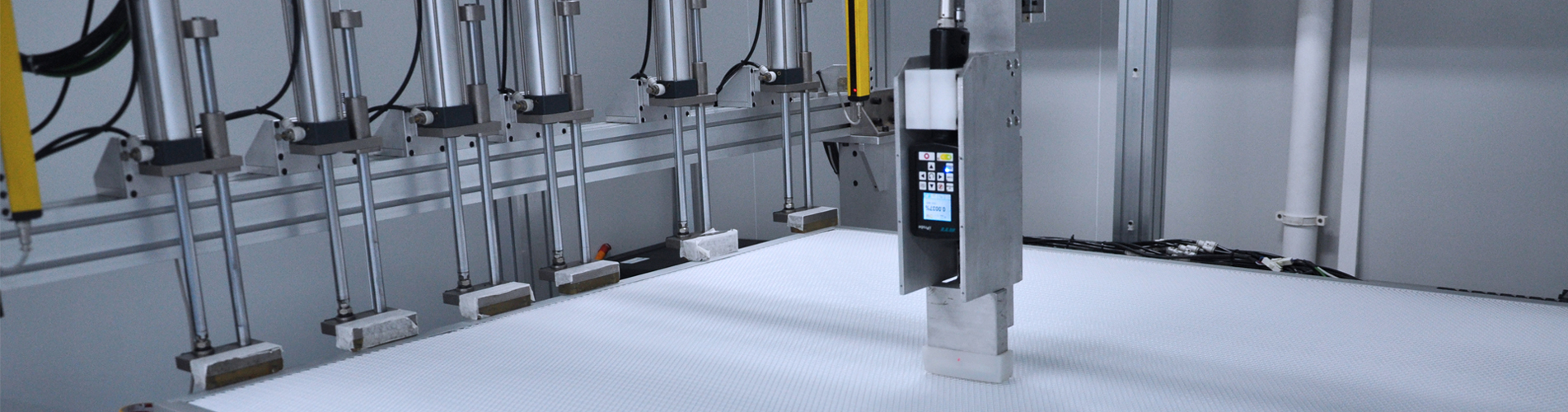
Помещения с отрицательным давлением предотвращают распространение патогенов, переносимых по воздуху, за счет поддержания более низкого давления воздуха, чем в окружающих помещениях. Ключевым элементом этой системы является терминальный HEPA-фильтр, который фильтрует отработанный воздух, гарантируя, что никакие загрязняющие вещества не попадут за пределы контролируемой среды.
В условиях повышенного риска, таких как лаборатории уровня биобезопасности BSL-3, изоляционные палаты отделений интенсивной терапии и палаты лечения туберкулеза, контроль за распространением инфекции является вопросом жизни и смерти. Наиболее эффективной защитой является создание отрицательного давления в сочетании с высокоэффективной фильтрацией.
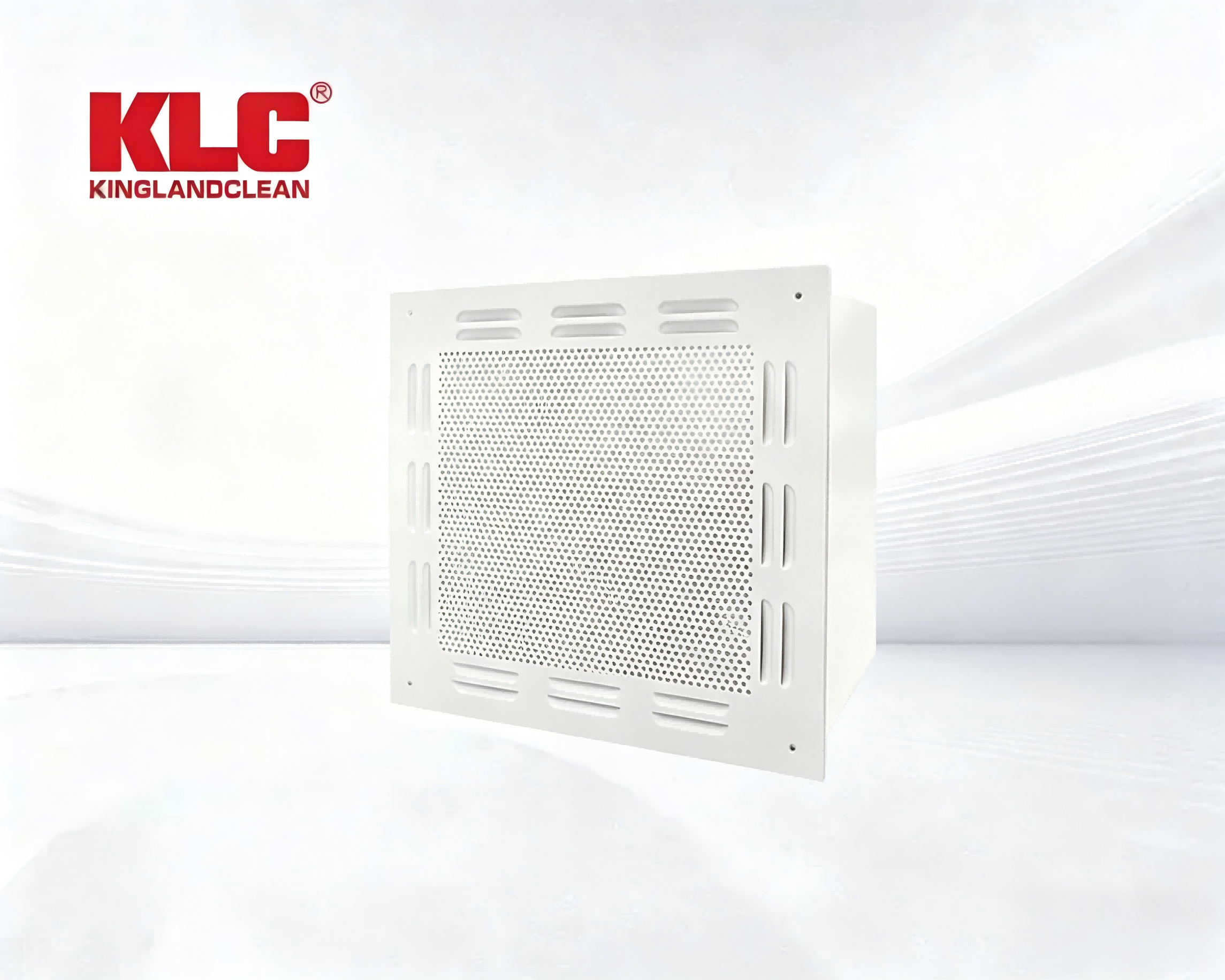
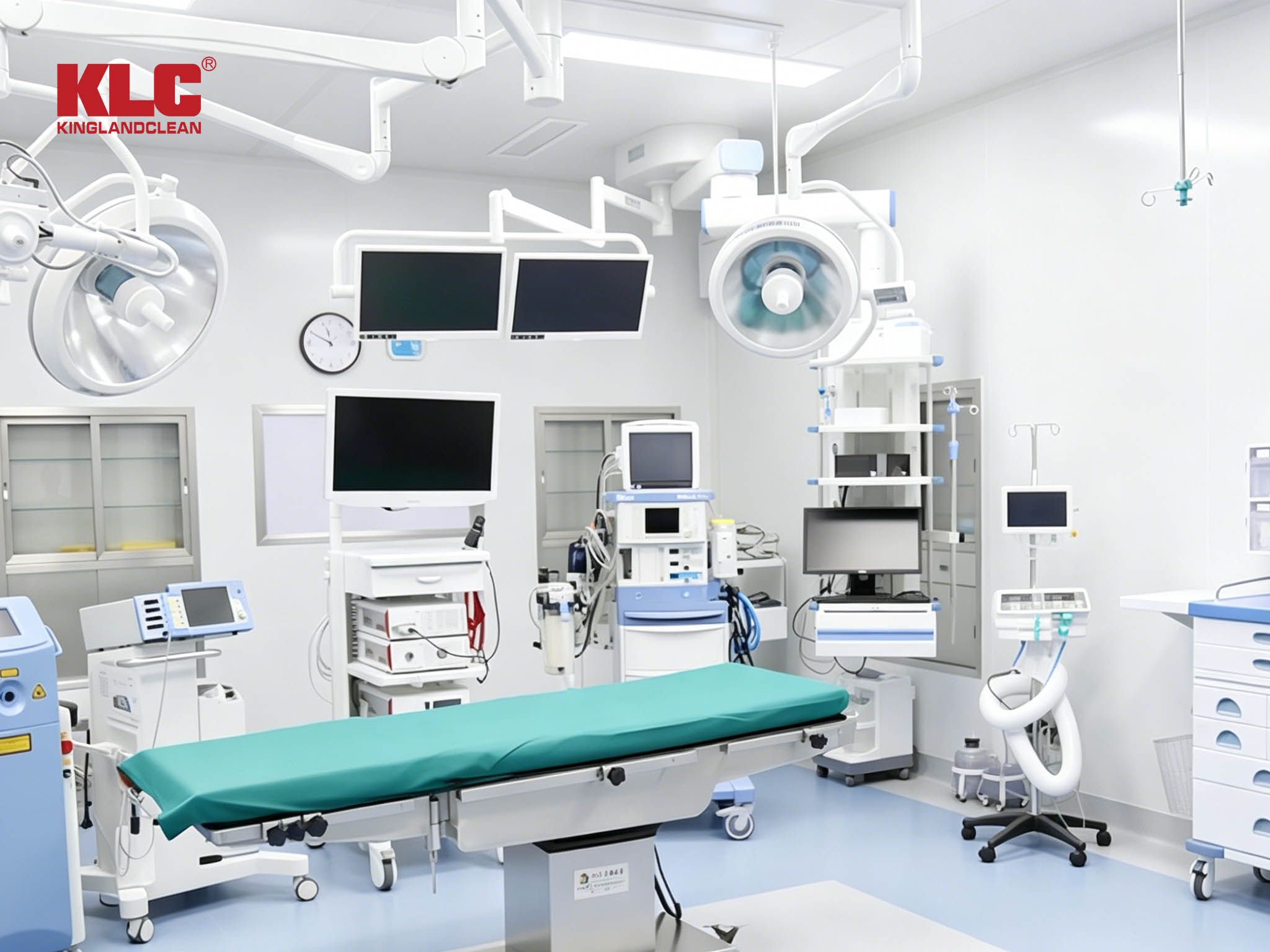
Принцип прост: воздух естественным образом течет из областей высокого давления в области низкого давления. Постоянно выпуская больше воздуха, чем подается, в помещении поддерживается «отрицательное» давление. Если открыть дверь, воздух устремляется наружу. в помещение, предотвращая распространение загрязненных частиц в коридоры.
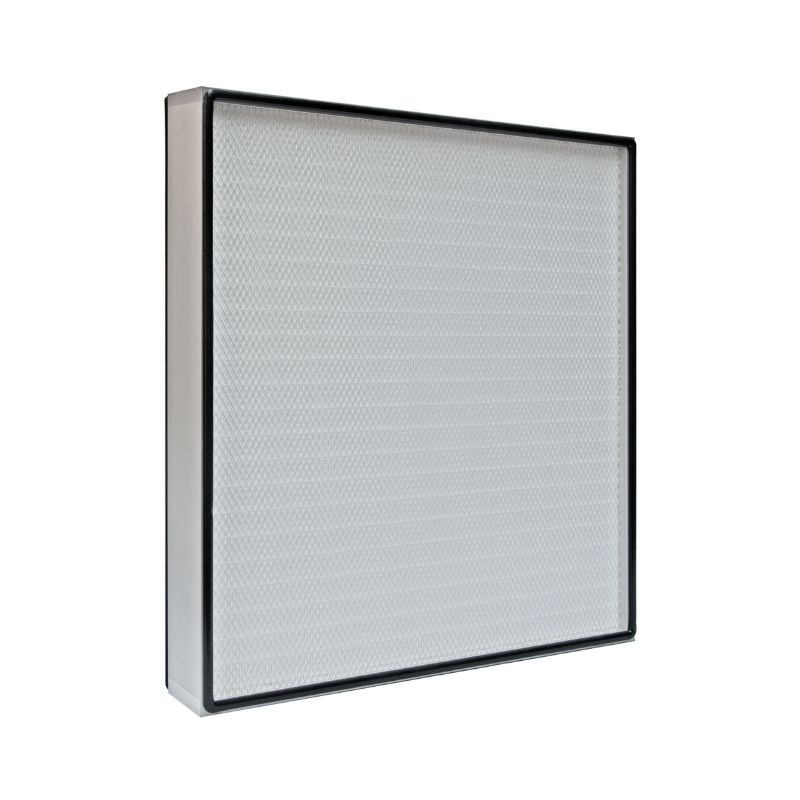
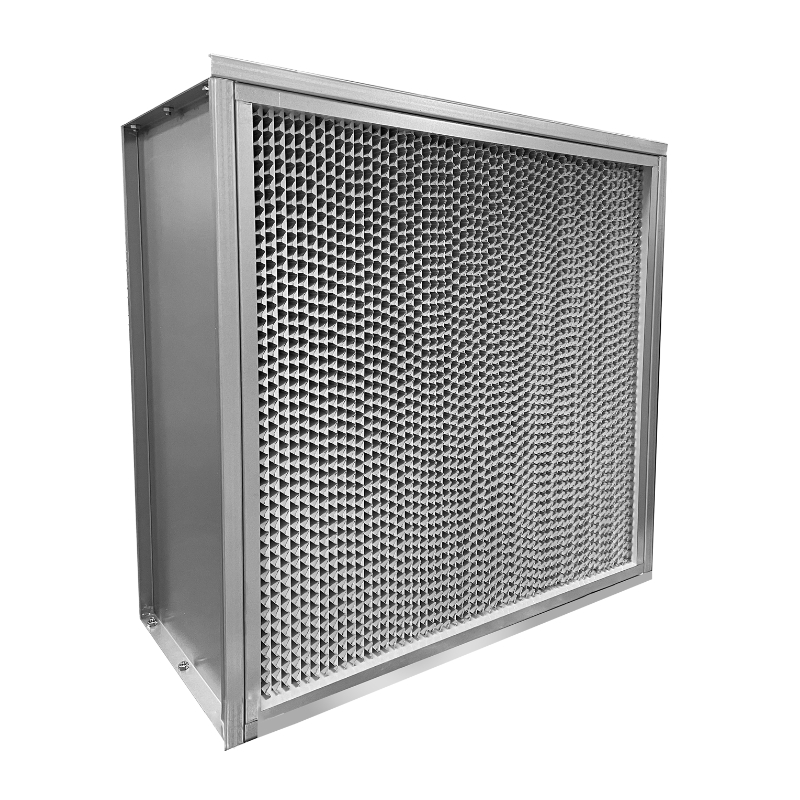
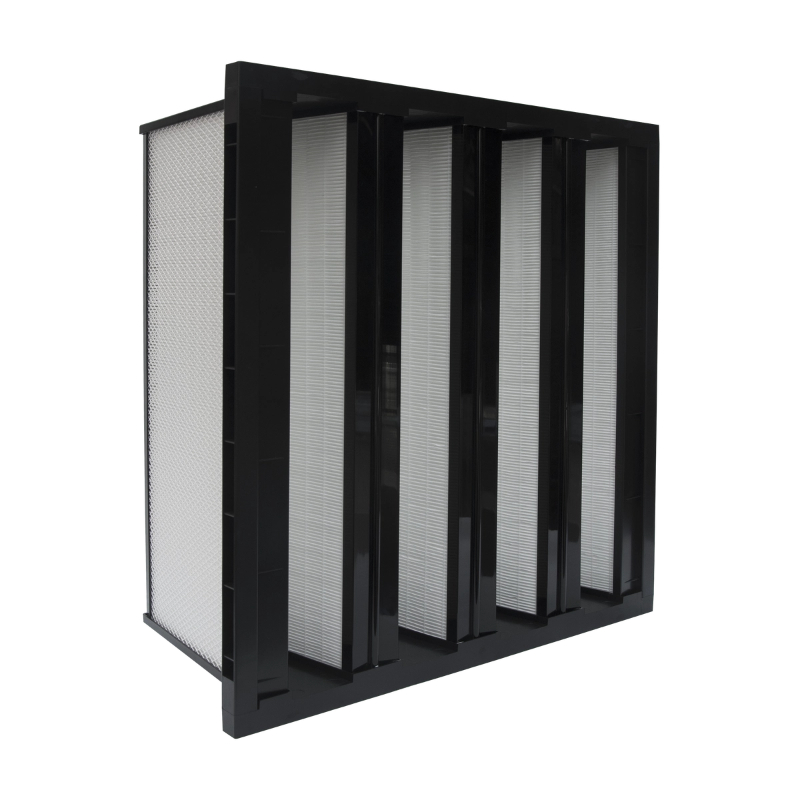
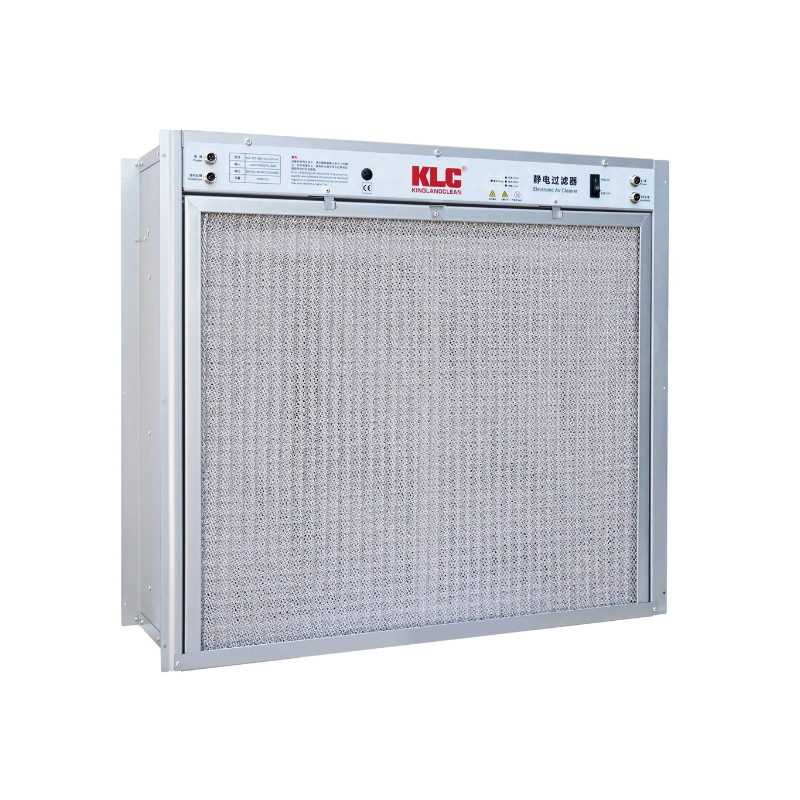
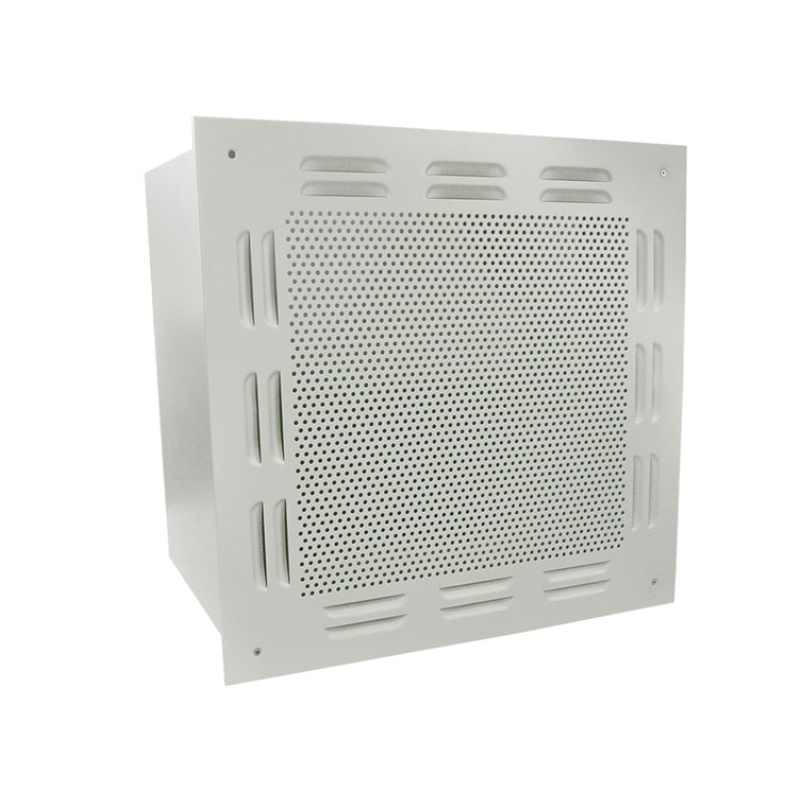
Хотя давление предотвращает утечку воздуха, HEPA-фильтр в коробке (Модуль терминального фильтра) обеспечивает очистку отводимого или подаваемого воздуха.
Тип объекта | Требуемое давление (против коридора) | Рекомендуемый класс HEPA |
Изоляция общего отделения интенсивной терапии | от -2,5 Па до -5 Па | H13 / H14 |
Туберкулезная изоляционная палата | от -10 Па до -15 Па | H14 |
Лаборатория уровня биобезопасности BSL-3 | от -30 Па до -50 Па | H14 (двойной HEPA-фильтр) |
Изготовление лекарственных препаратов в аптеке | -12,5 Па (буферная камера) | H14 |
В рамках недавнего проекта BSL-3 компания KLC поставляла оборудование. Терминальные HEPA-модули со встроенными датчиками давления.
1. Что такое отрицательное давление в больничной палате? Это метод вентиляции, при котором давление воздуха внутри помещения ниже, чем снаружи, что обеспечивает приток воздуха в помещение, но не его отток, защищая людей, находящихся снаружи, от инфекций, передающихся воздушно-капельным путем.
2. Какая разница давлений необходима для создания изоляционной палаты с отрицательным давлением? Согласно стандартам CDC и ВОЗ, минимальное требуемое давление должно составлять -2,5 Па (0,01 дюйма водяного столба), хотя многие учреждения стремятся к показателю от -5 до -10 Па для повышения безопасности.
3. Как HEPA-фильтр поддерживает отрицательное давление? Сам по себе корпус не создает давления, но его герметичность и фильтры с низким сопротивлением позволяют вытяжному вентилятору системы отопления, вентиляции и кондиционирования эффективно втягивать воздух без утечек, которые могли бы нарушить вакуум.
4В чём разница между чистым помещением с отрицательным и положительным давлением? Отрицательное давление защищает снаружи из помещения (используемого для биологически опасных веществ). Положительное давление защищает внутри снаружи (используется в производстве электроники или фармацевтической продукции).
5. Можно ли использовать HEPA-фильтры в системах вытяжной вентиляции с отрицательным давлением? Да, они обязательны. Без HEPA-фильтрации помещение с отрицательным давлением просто будет закачивать патогены непосредственно в окружающую среду или в воздуховоды здания.
6. Как часто следует проверять HEPA-фильтры в помещениях с отрицательным давлением? Проверку целостности (тест DOP/PAO) следует проводить не реже чем каждые 6-12 месяцев или при каждой замене фильтра.
7. Что такое терминальный HEPA-модуль? Это корпус, устанавливаемый в конце воздуховода (на стыке с потолком или стеной), в котором размещается HEPA-фильтр и часто имеется диффузор для равномерного распределения воздуха.
8. Кто устанавливает фильтрующие блоки HEPA в палатах с отрицательным давлением в больницах? Монтажом обычно занимаются специализированные подрядчики по системам отопления, вентиляции и кондиционирования воздуха или инженерные фирмы, занимающиеся проектированием чистых помещений, но оборудование следует приобретать у сертифицированного производителя, такого как KLC.
Проектирование безопасного защитного сооружения? Посмотреть KLC Решения для фильтрующих блоков HEPA для терминалов или Запросить технический чертеж.



 Поддерживается сеть IPv6