ЧТО ВЫ ИЩЕТЕ?
Целевые ключевые слова: Цена мобильного шкафа LAF переносная кабина для чистых помещений
Мобильный ламинарный бокс (ЛАФ) представляет собой передвижное, автономное рабочее пространство с чистым воздухом, обеспечивающее локальную защиту продукции класса ISO 5 без необходимости капитального ремонта помещения. Он подходит для подготовки продукции в больничных аптеках, отбора проб для контроля качества и мелкосерийного производства, когда пользователям необходим контролируемый поток воздуха, компактные размеры и возможность перемещения оборудования после прохождения валидированной процедуры переналадки.
Проекты по улучшению качества воздуха успешны, когда производительность оборудования, окружающая среда и повседневная активность рассматриваются как единая система. Для покупателей, ищущих информацию о цене мобильных шкафов для лазерной очистки воздуха, важный вопрос заключается не только в выборе продукта, но и в том, какой результат необходимо поддерживать после установки. Эффективность удаления частиц, воздушный поток, перепад давления, утечки, совместимость материалов, доступ, энергопотребление, тестирование и навыки оператора — все это влияет на результат.
Компания KLC International подходит к проектам мобильных лабораторных шкафов, начиная с определения области применения, типов загрязнений, рабочего состояния, доступного давления и подтверждения приемки. Такой подход, основанный на требованиях, помогает избежать завышения размеров, низкой производительности оборудования и пробелов в документации.
Фиксирующиеся ролики, жесткая рама, защищенные электрические соединения и компактные модули FFU Обеспечивает контролируемое перемещение. Испытания на объекте или репрезентативная квалификация могут выявить взаимодействия, которые не видны на чертежах, включая зоны турбулентности, влажность, выделение пыли, движение через двери и реакцию датчиков.
Мобильность не означает случайного перемещения: после транспортировки шкаф следует повторно проверить, поскольку уровень пола, расположенные рядом двери и комнатные течения могут повлиять на его характеристики. Влияние этих факторов следует проверять при предполагаемых условиях воздушного потока и нагрузки, поскольку указанные в каталоге характеристики могут не отражать реальные рабочие параметры после установки.
Работа от батареи при высоком воздушном потоке встречается редко; большинство устройств используют питание от сети с безопасной прокладкой кабелей. При планировании жизненного цикла следует учитывать нагрузку на фильтр, энергопотребление, доступность, запасные части и время простоя. Эти факторы часто меняют предпочтительный вариант, даже если два продукта имеют схожие начальные характеристики.
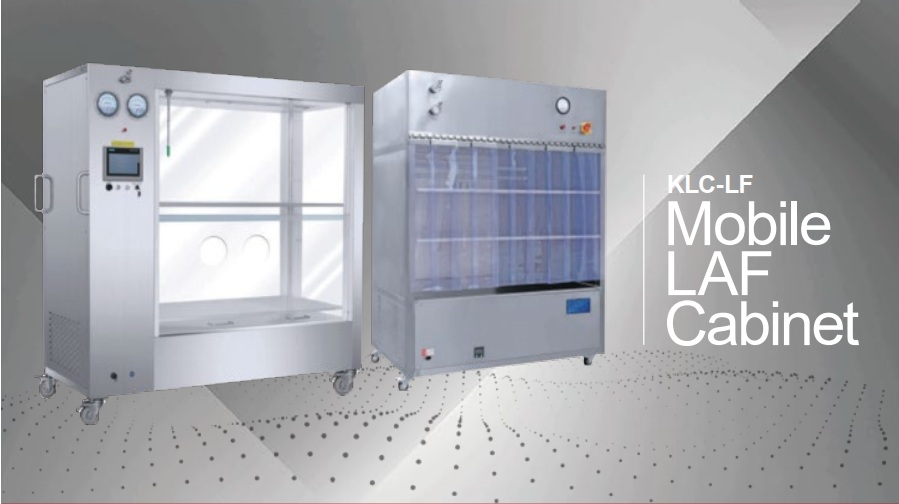
Стационарный стенд обеспечивает простоту использования, в то время как мобильный шкаф может использоваться для обслуживания меняющихся производственных участков или временных работ по контролю качества. При закупке этот параметр должен стать заявленным значением или результатом приемочных испытаний. Запись условий эксплуатации вместе с результатом также повышает надежность последующего поиска и устранения неисправностей.
Переносные чистые помещения представляют собой кабину с большей рабочей зоной; кабина с низким расходом воздуха концентрирует чистый воздух на меньшем технологическом процессе и обычно стоит дешевле. Ее эффективность следует проверять при предполагаемых условиях воздушного потока и нагрузки, поскольку указанные в каталоге характеристики могут не отражать рабочие параметры после установки.
Ни один из них не должен быть выбран для защиты от опасных биологических или химических веществ, если он специально не спроектирован и не сертифицирован для этой цели. Это требование должно быть включено в утвержденную спецификацию с указанием ответственного лица и критерием соответствия/несоответствия. Это обеспечивает объективность решений о вводе в эксплуатацию, когда в процесс вовлечено несколько поставщиков.
В соответствии с действующими фармацевтическими стандартами, больничные аптеки могут использовать мобильные установки для подачи неопасных химических веществ в аптеках. Эффективность таких установок следует проверять при заданных условиях воздушного потока и нагрузки, поскольку указанные в каталоге характеристики могут не отражать реальную работу после установки.
Лаборатории контроля качества используют его для подготовки образцов, а производители — для опытных партий, переноса компонентов или ремонта. При планировании жизненного цикла следует учитывать нагрузку на фильтр, энергопотребление, доступность, запасные части и время простоя. Эти факторы часто меняют предпочтительный вариант, даже если два продукта имеют схожие начальные характеристики.
Цена варьируется в зависимости от размеров, материалов, класса фильтра, системы управления, мониторинга, системы электропитания и пакета квалификационных требований. Ее эффективность следует проверять при предполагаемом расходе воздуха и нагрузке, поскольку указанные в каталоге характеристики могут не отражать реальную производительность после установки.
Фактор | Мобильный ЛАФ | Стационарная скамья | Переносная кабина |
Охраняемая территория | Небольшой/местный | Малый/фиксированный | Комната размером с комнату |
Переезд | Высокий | Низкий | Середина |
Время настройки | Короткий | Короткий | Середина |
Типичные инвестиции | Низкий-средний | Низкий | Средне-высокий |
Данная таблица является вспомогательным инструментом планирования, а не заменой оценки, специфичной для конкретного объекта. Сравнение показателей должно проводиться при одинаковых значениях расхода воздуха и условиях испытаний, а окончательная производительность должна быть проверена после установки. Компания KLC может согласовать чертежи, материалы, фильтры, двигатели, элементы управления и документацию с согласованными рабочими параметрами.
В запросе на коммерческое предложение следует включить следующее:
Определите задачу и убедитесь, что это работа по защите продукции.
Измерьте оборудование, зону досягаемости оператора и пути перемещения.
Укажите наличие колесиков, тормозов, силового кабеля, сигнализации и системы видеонаблюдения.
Проверьте совместимость чистящего средства и гладкость поверхностей.
Разработать процедуры переселения, переаттестации и замены фильтров.
Просить KLC Необходимо четко обозначить допущения и исключения в предложении. В ценовом предложении следует различать заводские испытания и испытания на объекте, поставляемые компоненты и работы сторонних организаций, а также номинальные значения и гарантированные значения.
При поступлении оборудования необходимо проверить его на наличие повреждений упаковки, правильность идентификации, размеры, герметичность, фильтры, приборы и документацию. Во время монтажа необходимо контролировать строительную пыль и защищать чувствительные среды. При вводе в эксплуатацию следует проверить направление и объем воздушного потока, перепад давления, работу сигнализации, блокировок, электробезопасность, уровень шума (при необходимости) и заявленные показатели чистоты или эффективности улавливания.
После передачи оборудования используйте техническое обслуживание по состоянию, подкрепленное плановыми проверками. Отслеживайте перепад давления и расход воздуха, исследуйте аномальные изменения, берегите запасные фильтры и документируйте их замену. Любое изменение рабочей среды, скорости вращения двигателя, планировки помещения, работы дверей, технологического оборудования или химического состава чистящих средств должно инициировать анализ рисков. Сервисные бригады KLC могут помочь определить необходимые запасные части и разработать план проверки, подходящий для конкретного применения.
Надежное предложение отделяет заявления от доказательств. Начните с проверки соответствия чертежей запрошенным размерам, направлению воздушного потока, доступу к коммуникациям, инженерным сетям и интерфейсам установки. Затем изучите отчеты о производительности для протестированной модели, метода испытаний, рабочей точки, состояния прибора, допустимого предела и прослеживаемого результата. Корпоративный сертификат качества может укрепить уверенность в процессах поставщика, но он не заменяет данные на уровне продукта или квалификацию установленной системы.
Также необходимо подтвердить порядок обработки отклонений и изменений в конструкции. На производительность могут влиять такие факторы, как используемые материалы, клеи, двигатели, датчики, материалы корпуса, уплотнения и производственные площадки. Для критически важных проектов требуется предварительное уведомление об изменениях, отслеживаемость серийных или партийных номеров, согласованные протоколы контроля и определенный процесс обработки несоответствий. Защита при транспортировке должна быть частью технического задания, поскольку смятые складки, поврежденный гель, деформированные корпуса или воздействие влаги могут сделать недействительным фильтр, в остальном соответствующий требованиям.
При сравнении коммерческих предложений следует учитывать общую стоимость поставленного оборудования: оборудование, фрахт, пошлины, монтаж, энергопотребление, расходные материалы, валидация, время простоя, гарантийное обслуживание и ожидаемый срок службы. Это позволяет принять более обоснованное решение, чем сравнение только покупной цены, и дает оперативным группам реалистичный бюджет на техническое обслуживание.
Наиболее распространенные ошибки — это выбор, основанный исключительно на заявленной эффективности, игнорирование давления в системе, использование заводского сертификата в качестве подтверждения производительности на объекте и откладывание доступа к техническому обслуживанию до завершения проектирования. Еще одна ошибка — предположение, что больший поток воздуха или более высокий класс фильтра всегда безопаснее. Избыточный поток воздуха может создавать турбулентность, увеличивать энергопотребление и нарушать технологические процессы; чрезмерное сопротивление может снижать подаваемый поток. Сбалансированная конструкция является одновременно более чистой и надежной.
Компания KLC International рекомендует документировать проектные основы и критерии приемки до размещения заказа. Этот единственный шаг делает сравнение поставщиков более справедливым и дает командам по вводу в эксплуатацию четкую цель.
Обычно нет; движение может нарушить циркуляцию воздуха, создать угрозу безопасности и аннулировать условия, на которые распространяется право.
Стандартный бокс для жидкостного аэрозольного распыления в первую очередь защищает продукт, а не оператора от опасных аэрозолей.
Фильтры HEPA H13 или H14 являются распространенными и выбираются в зависимости от технологических и квалификационных требований.
Ультрафиолетовое излучение является необязательным и не может заменить проверенную очистку; оно также требует экранирования, блокировок и обслуживания ламп.
Размер, материал, класс фильтра, элементы управления, мобильное оборудование, мониторинг, документация и валидация определяют цену.
Проверка на основе оценки рисков имеет важное значение; для критически важных приложений, как правило, требуется документальное подтверждение после перемещения.
Эффективность и чистота зависят от окружающей среды, доступа, поведения оператора и уровня загрязнения.
Очистка поверхностей, осмотр уплотнений и колесиков, измерение давления/потока воздуха, проверка целостности HEPA-фильтров и замена фильтров в зависимости от их состояния.
Планируете проект, связанный с ценообразованием мобильного шкафа для лазерного воздушного потока? Поделитесь с KLC International информацией о применении, размерах, воздушном потоке, целевых характеристиках, условиях эксплуатации, целевом рынке и необходимой документации по испытаниям. KLC Команда может изучить техническое задание, предложить практичную конфигурацию и подготовить коммерческое предложение, включающее оборудование, фильтры, элементы управления и требования к проверке.
Запросите у компании KLC International техническую экспертизу или коммерческое предложение на мобильный шкаф для лазерного акустического поля.
Техническое примечание: Окончательный выбор и соответствие требованиям должны быть подтверждены действующими стандартами, правилами, оценкой технологических рисков и условиями на площадке, применимыми к проекту.



 Поддерживается сеть IPv6